Preventing Colds and Flu
Vaccines, Hygiene, and Daily Habits That Protect You

While none of us can avoid every cold or flu, smart prevention strategies can lower your risk and help keep your immune system ready to defend you. This third article in our series focuses on what you can do to stay healthy, from getting your annual flu vaccine to simple daily habits that support your body’s natural defenses.
The Flu Vaccine: An Important Defense Against Influenza
Getting vaccinated each year is an important way to help prevent the flu. The Centers for Disease Control and Prevention recommends that everyone six months and older receive an annual flu vaccine, with rare exceptions based on certain allergies or medical conditions.
Why the Flu Vaccine Matters More as We Age
While everyone benefits from flu vaccination, it becomes increasingly important as we get older. Adults aged 65 and older face higher risk of serious complications from the flu, including pneumonia, hospitalization, and even death. The flu vaccine can help reduce these risks.
People with chronic health conditions like heart disease, diabetes, lung disease, or weakened immune systems also face greater danger from the flu and should prioritize getting vaccinated each year. If you live with or care for someone in these groups, your vaccination helps protect them too.
Special Vaccine Options for Older Adults
Adults 65 and older have specific flu vaccine options designed to provide stronger protection. These include high-dose vaccines and vaccines with an added ingredient to boost immune response. Talk with your doctor or pharmacist about which option makes sense for you.
When to Get Your Flu Shot
Timing matters for flu vaccination. Getting vaccinated too early in summer may mean your protection wanes before flu season ends, while waiting too long leaves you vulnerable during early outbreaks.
For many adults, September and October are often good months to get vaccinated. This timing allows your body to build immunity before flu activity typically peaks in winter. However, getting vaccinated later in the season still offers valuable protection, so if you missed the early window, go ahead and get your shot.
What to Expect from the Flu Vaccine
The flu vaccine does not guarantee you will not get the flu, but it can lower your chances. If you do get sick despite vaccination, research suggests your illness may be milder and shorter than it would have been without the vaccine.
Some people experience mild soreness at the injection site or low-grade achiness for a day or two after vaccination. These minor effects are signs your immune system is responding and building protection.
Why There Is No Vaccine for the Common Cold
You might wonder why we have a flu vaccine but not one for the common cold. The answer lies in the nature of these viruses. While a limited number of influenza virus strains circulate each year, allowing scientists to target them with an annual vaccine, the common cold can be caused by hundreds of different virus types. Creating a vaccine that protects against all of them is not currently possible.
This is one more reason the flu vaccine is so valuable—it protects you from a serious illness we can actually prevent.
Handwashing: Simple but Powerful
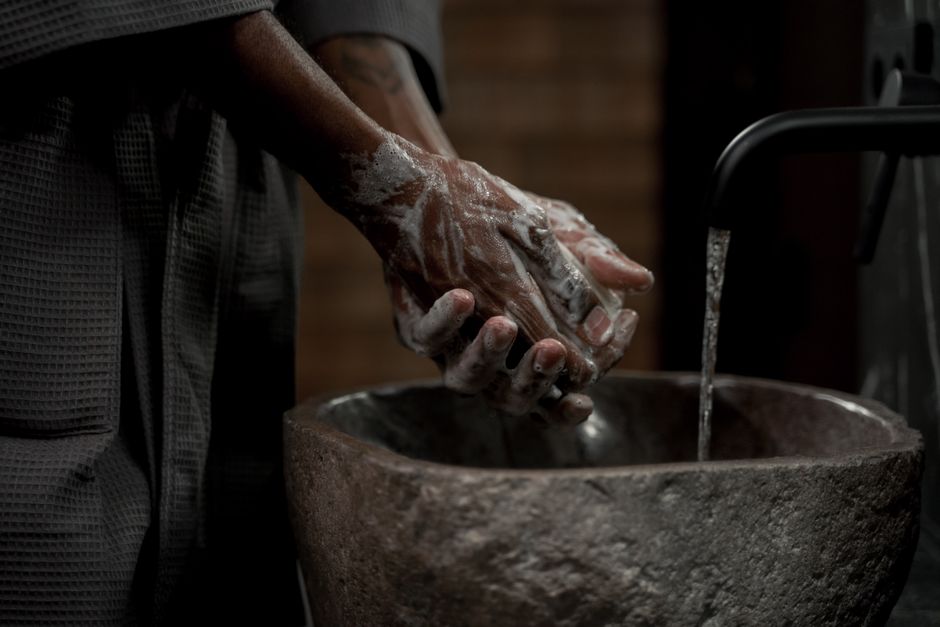
Proper handwashing can be an effective way to help prevent infection. Many of us learned to wash our hands as children, but doing it correctly takes more attention than a quick rinse.
The Right Technique
Effective handwashing takes at least 20 seconds. Wet your hands with clean running water, then apply soap. Lather the soap by rubbing your hands together, making sure to scrub the backs of your hands, between your fingers, and under your nails. Continue scrubbing for at least 20 seconds—about the time it takes to hum “Happy Birthday” twice. Rinse thoroughly under running water and dry with a clean towel or air dryer.
When to Wash Your Hands
Make handwashing a habit at key times throughout the day. Always wash before eating or preparing food, after using the bathroom, after blowing your nose or coughing into your hands, and after touching surfaces in public places like shopping carts, door handles, or ATM buttons.
When you come home from errands or social activities, washing your hands before touching your face or handling food helps remove germs you may have picked up.
Hand Sanitizer as a Backup
When soap and water are not available, alcohol-based hand sanitizer with at least 60 percent alcohol content offers a convenient alternative. Apply enough sanitizer to cover all surfaces of your hands, then rub your hands together until they feel dry. However, hand sanitizer does not work as well when hands are visibly dirty or greasy, so washing with soap and water remains the gold standard.
Sleep: Your Immune System’s Recovery Time
The hours you spend sleeping are not idle time for your body. During sleep, your immune system releases proteins and other substances that help fight infection and inflammation. When you cut sleep short, your body produces fewer of these protective substances.
How Much Sleep Do You Need?
Sleep needs vary from person to person and can change with age, but most adults need at least seven hours of sleep each night. Pay attention to how you feel—if you wake feeling rested and maintain energy throughout the day, you are likely getting enough sleep.
Building Better Sleep Habits
Consistency helps. Going to bed and waking up at roughly the same times each day, even on weekends, supports your body’s natural sleep-wake rhythm. Creating a calm bedtime routine, keeping your bedroom cool and dark, and limiting screen time before bed can all improve sleep quality.
If you have trouble sleeping despite good habits, or if you snore loudly or wake feeling unrested, talk with your doctor. Sleep problems sometimes signal health issues that deserve attention.
Nutrition That Supports Immune Health
No single food or supplement prevents colds and flu, but eating well gives your immune system the nutrients it needs to function properly. A balanced eating pattern that includes a variety of foods supports overall health, which in turn helps your body defend against infection.
Focus on Variety and Quality
A diet rich in fruits, vegetables, whole grains, lean proteins, and healthy fats provides vitamins, minerals, and other compounds your immune system uses to protect you. Different colored fruits and vegetables offer different nutrients, so variety matters.
Citrus fruits, berries, leafy greens, bell peppers, nuts, seeds, fish, poultry, beans, and yogurt all contribute nutrients linked to immune function. Rather than focusing on single “superfoods,” aim for a colorful, varied plate at most meals.
Protein Matters
Your immune system relies on protein to build the cells and antibodies that fight infection. Including protein sources at each meal—whether from meat, poultry, fish, eggs, dairy, beans, lentils, nuts, or soy foods—helps ensure your body has what it needs.
As we age, our bodies may use protein less efficiently, making adequate protein intake even more important. If you are not sure you are getting enough protein, a conversation with your doctor or a registered dietitian can help.
Stay Hydrated
Fluids support every system in your body, including your immune defenses. Water, tea, milk, soup, and water-rich foods like fruits and vegetables all contribute to hydration. Your needs vary based on your activity level, climate, and individual factors, so drink when you are thirsty and pay attention to the color of your urine—pale yellow generally indicates good hydration.
What About Supplements?
While advertisements often promote vitamins and supplements as immune boosters, research does not consistently show that taking extra vitamins prevents colds or flu in people who are already eating reasonably well. Some supplements can interact with medications or cause side effects at high doses.
If you are concerned about getting adequate nutrition, talk with your doctor before starting supplements. A blood test can identify actual deficiencies that may need addressing.
Other Daily Habits That Help
Beyond vaccines, handwashing, sleep, and nutrition, several other habits contribute to staying healthy during cold and flu season.
Avoid Touching Your Face
Your eyes, nose, and mouth provide entry points for viruses. Making a conscious effort to keep your hands away from your face throughout the day reduces the chance of transferring germs from surfaces to these vulnerable areas.
Keep Your Environment Clean
Regularly cleaning frequently touched surfaces in your home—like doorknobs, light switches, remote controls, and phone screens—removes germs that could cause infection. Regular household cleaners work well for this purpose.
Manage Stress
While occasional stress is part of life, chronic stress can affect immune function. Finding healthy ways to manage stress—whether through physical activity, hobbies, social connection, meditation, or other relaxation practices—supports your overall health.
Stay Active
Regular physical activity contributes to general good health and may help immune function. Many adults benefit from moving their body most days of the week. Walking, swimming, dancing, gardening, or any activity you enjoy all count.
Before starting a new exercise routine, especially if you have been inactive or have chronic health conditions, check with your doctor to make sure your plan is safe for you.
Do Not Smoke
Smoking damages the respiratory system and weakens the body’s defenses against infection. If you smoke, quitting is one of the most powerful steps you can take to protect your health. Your doctor can help you find support and strategies that work.
Consider Those Around You
Prevention also means protecting others. If you do get sick, staying home when possible, covering coughs and sneezes with a tissue or your elbow, and washing your hands frequently helps keep viruses from spreading to family, friends, and community members. (Part 4 of this series covers recovery at home.)
| Group | Vaccine Recommendation | Why It Matters |
|---|---|---|
| Everyone 6 months and older | Annual flu vaccine | Helps prevent flu and reduce severity if you get sick |
| Adults 65 and older | Annual flu vaccine (high-dose or adjuvanted options available) | Higher risk of serious complications like pneumonia and hospitalization |
| People with chronic conditions (heart disease, diabetes, lung disease, weakened immune) | Annual flu vaccine | Face greater danger from flu complications |
Prevention Is Not Perfection
Even with all these strategies in place, you may still catch a cold or flu from time to time. That is normal. Prevention reduces your risk but does not eliminate it entirely. What these habits do accomplish is lowering your chances of getting sick and helping your body respond more effectively if you do pick up an infection.
The good news is that prevention strategies—eating well, sleeping enough, staying active, washing your hands, and getting vaccinated—also support your health in broader ways. These are not just tactics for cold and flu season but foundations for feeling your best year-round.
Making prevention part of your routine takes some attention at first, but these habits can become second nature with practice. Start where you are, choose one or two strategies to focus on, and build from there. Your immune system will thank you.
Disclaimer: This article is for general information only and does not replace professional medical advice. Talk with your doctor or pharmacist before making changes to your health care, and call 911 in an emergency.
Leave a Reply