Night Splints and Foot Stretches
Low-Cost Ways to Ease Plantar Fasciitis Heel Pain at Home

That sharp, stabbing pain in your heel when you first step out of bed in the morning is a common sign of plantar fasciitis. The good news is that two simple, low-cost approaches—night splints and targeted stretching—can help many people find relief without expensive treatments or invasive procedures.
This is Part 1 of our five-part series on plantar fasciitis. Here, we’ll focus on stretching and positioning techniques you can do at home with little or no equipment.
Understanding Why Morning Heel Pain Happens
The plantar fascia is a thick band of tissue that runs along the bottom of your foot, connecting your heel bone to your toes. When this tissue becomes inflamed or irritated, it causes plantar fasciitis.
During the night while you sleep, your foot naturally relaxes into a pointed position. This allows the plantar fascia to tighten and shorten. When you stand up and put weight on your foot in the morning, that tight tissue suddenly stretches, causing sharp pain.
This is where night splints and regular stretching come in. Both approaches work to keep the plantar fascia gently stretched, which research suggests can reduce morning pain and help the tissue heal over time.
What Night Splints Are and How They Work
A night splint is a device worn on your foot and lower leg while you sleep. It holds your foot in a gentle upward position, keeping your toes pointed toward your shin rather than downward. This maintains a mild stretch in your plantar fascia and calf muscles throughout the night.
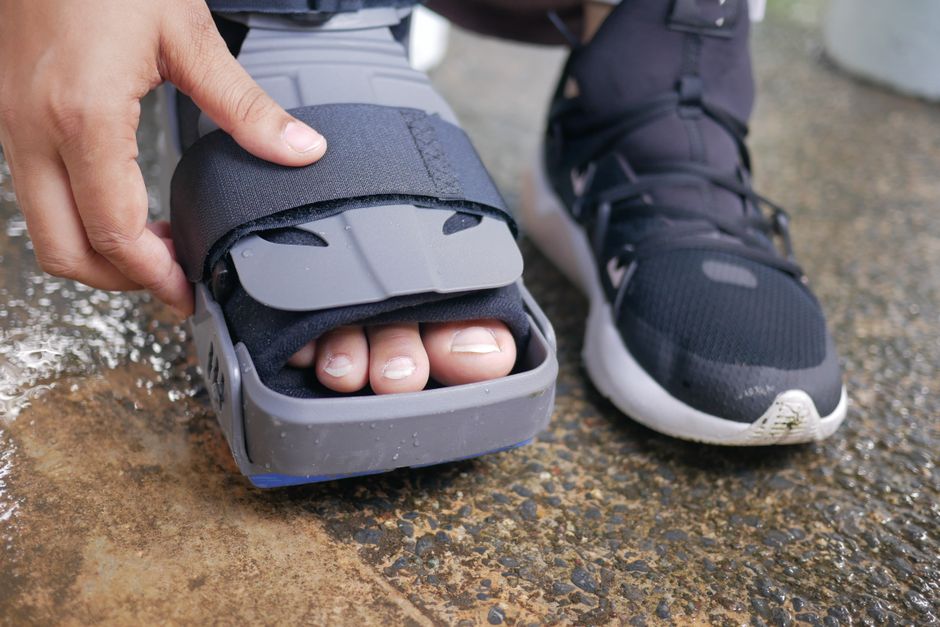
Night splints typically come in two styles. The first is a boot-style splint that covers the foot and extends up the calf, usually with adjustable straps. The second is a dorsiflexion splint, which is lighter and holds the foot in position with a wedge or tension strap.
Night splints available at pharmacies or medical supply stores are designed to be worn for several hours during sleep. The gentle, sustained stretch they provide can help prevent the plantar fascia from tightening overnight, which may reduce that first-step morning pain.
When to Ask Your Doctor or Physical Therapist About Night Splints
Night splints are not right for everyone, and it’s important to get professional guidance before using one. Schedule a conversation with your doctor or physical therapist if you’re considering a night splint, especially if you have circulation problems, diabetes-related nerve damage in your feet, or any condition that affects sensation in your legs.
A physical therapist can show you how to adjust the splint properly and ensure it’s holding your foot at the right angle. Too much stretch can cause discomfort and prevent sleep, while too little won’t be effective. Healthcare providers may suggest starting with the splint set at a comfortable angle and gradually increasing the stretch over several nights.
Some people find night splints uncomfortable at first, which can interfere with sleep. Your physical therapist or doctor can help you decide whether to try a lighter-weight design, adjust the fit, or consider other options if the splint isn’t working well for you.
Evidence-Based Foot and Calf Stretches for Plantar Fasciitis
Stretching exercises are among the approaches often studied for managing plantar fasciitis. Research suggests that regular, gentle stretching of the plantar fascia and calf muscles can help reduce pain and improve function over time. Results vary from person to person, and stretching works best when done consistently.
Towel Stretch (Morning Stretch Before Standing)
This stretch is designed to gently lengthen the plantar fascia before you put weight on your foot in the morning.
How to do it: Before getting out of bed, keep a towel or belt within reach on your nightstand. Sit up in bed with your legs extended in front of you. Loop the towel around the ball of one foot, holding both ends. Keeping your knee straight, gently pull the towel toward you until you feel a stretch along the bottom of your foot and up your calf. Hold this position for twenty to thirty seconds without bouncing. Repeat on the other foot.
Do this stretch before taking your first steps in the morning. The goal is to wake up the plantar fascia gradually rather than forcing it to stretch suddenly when you stand.
Standing Calf Stretch (Wall Stretch)
Tight calf muscles can pull on the heel and increase stress on the plantar fascia. This stretch targets both the upper calf muscle and the deeper muscle that connects to the heel.
How to do it: Stand facing a wall, about arm’s length away. Place your hands flat against the wall at shoulder height. Step one foot back, keeping that leg straight and both heels flat on the floor. Your front knee will bend slightly. Lean forward into the wall until you feel a stretch in the calf of your back leg. Hold for twenty to thirty seconds without bouncing.
Next, bend the back knee slightly while keeping your heel on the ground. You should feel the stretch move lower in your calf, closer to your heel. Hold for another twenty to thirty seconds.
Switch legs and repeat. Perform this stretch two to three times on each leg.
Plantar Fascia Stretch (Seated Toe Stretch)
This stretch directly targets the band of tissue on the bottom of your foot.
How to do it: Sit in a chair with one foot resting on the opposite knee. Using your hand, gently pull your toes back toward your shin until you feel a stretch along the arch of your foot. You can use your other hand to massage the arch gently while holding the stretch, though detailed massage techniques are covered in Part 5 of this series.
Hold the stretch for twenty to thirty seconds. Repeat three times, then switch to the other foot.
This stretch can be done several times throughout the day, especially before standing after you’ve been sitting for a while.
Stair Stretch (Heel Drop)
This stretch uses a step or curb to provide a deeper calf and plantar fascia stretch.
How to do it: Stand on a step with the balls of your feet on the edge and your heels hanging off. Hold onto a railing or wall for balance. Slowly lower your heels below the level of the step until you feel a gentle stretch in your calves and the arches of your feet. Hold for twenty to thirty seconds, then rise back up.
Start with both feet together. As the stretch becomes easier, you can try doing it one leg at a time for a deeper stretch.
Be very careful with balance during this exercise. If you feel unsteady, skip this stretch and stick with the wall stretch instead.
Proper Timing and Frequency for Stretching Routines
Consistency matters more than intensity when it comes to stretching for plantar fasciitis. Research suggests that regular, gentle stretching over weeks and months tends to be more helpful than aggressive stretching done occasionally.
Physical therapists often recommend stretching at least two to three times daily. The most important times are first thing in the morning before standing, and after any period of prolonged sitting or rest.
Each stretching session doesn’t need to be long. Five to ten minutes of focused stretching is often enough if done regularly. Some people find it helpful to tie their stretching routine to daily activities, such as stretching while the coffee brews in the morning or during television commercials in the evening.
You should feel a gentle pull or mild tension during these stretches, but not sharp pain. If a stretch causes significant discomfort, reduce the intensity or duration. The goal is to gradually increase flexibility over time, not to force immediate change.
Some people notice improvement within a few weeks of regular stretching, though significant relief may take several months. If you haven’t noticed any change after six to eight weeks of consistent stretching, talk with your doctor or physical therapist about whether adjustments to your technique or additional approaches might help.
Safety Considerations and When Stretching May Not Be Appropriate
While stretching is generally safe for people with plantar fasciitis, certain situations require extra caution or medical guidance.
Check with your doctor before starting a stretching routine if you have diabetes, peripheral artery disease, or any condition that affects circulation or sensation in your feet. These conditions can increase the risk of injury during stretching if you can’t fully feel what you’re doing.
If you have severe osteoporosis or a history of Achilles tendon problems, ask your physical therapist to show you modified versions of these stretches that put less stress on vulnerable areas.
People who take certain medications that affect balance or coordination should be especially careful with standing stretches. Hold onto stable supports and consider doing more seated stretches instead.
Stop stretching and contact your doctor if you experience:
- Sharp, sudden pain during a stretch
- Increased swelling, redness, or warmth in your foot or ankle
- Numbness or tingling that doesn’t go away after stretching
- Pain that gets significantly worse rather than better after several weeks of regular stretching
Call 911 if you develop:
- Sudden, severe pain in your calf along with swelling (possible blood clot)
- Chest pain or difficulty breathing
- Signs of a severe allergic reaction if using any new products or materials
Stretching should not be used as a substitute for medical evaluation. If you haven’t already been diagnosed with plantar fasciitis by a healthcare provider, schedule an appointment before assuming that heel pain is plantar fasciitis. Other conditions, including stress fractures, nerve problems, and arthritis, can cause similar symptoms but require different treatment.
| Stretch | When to Do It | What It Targets |
|---|---|---|
| Towel Stretch | Before getting out of bed in the morning | Plantar fascia and calf |
| Standing Calf Stretch (Wall Stretch) | 2-3 times daily | Calf muscles that pull on the heel |
| Plantar Fascia Stretch (Seated Toe Stretch) | Throughout the day, before standing after sitting | Tissue band on bottom of foot |
| Stair Stretch (Heel Drop) | Daily (if balance is good) | Calves and arches of feet |
Making Stretching and Night Splints Part of Your Routine
The key to success with these low-cost approaches is making them a consistent part of your daily routine. Some people find that the hardest part isn’t doing the stretches themselves but remembering to do them regularly.
Consider setting phone reminders for morning and evening stretching sessions until the habit becomes automatic. Keep the towel or belt you use for morning stretches right by your bed so it’s within easy reach.
If you decide to try a night splint, give yourself time to adjust. Some people need several nights to get used to sleeping with the device. Starting with just a few hours per night and gradually increasing the time can make the adjustment easier.
Remember that these stretching and positioning techniques work best as part of a broader approach to managing plantar fasciitis. Part 2 of this series covers orthotics and arch supports, while Part 4 discusses ice and heat therapy—both of which can complement your stretching routine.
The beauty of stretching and night splints is that they’re among the more affordable options for managing plantar fasciitis at home. Basic night splints are available at many pharmacies and medical supply stores, and the stretches themselves require no special equipment. While results vary from person to person, some people find that these simple approaches provide meaningful relief when done consistently over time.
Talk with your doctor or physical therapist about whether these techniques are appropriate for your situation, and be patient with the process. Plantar fasciitis often develops over months, and healing takes time too.
Disclaimer: This article is for general information only and does not replace professional medical advice. Talk with your doctor or pharmacist before making changes to your health care, and call 911 in an emergency.
Leave a Reply