Swimming, Cycling, or Elliptical
Which Low-Impact Cardio Burns the Most Calories and Protects Your Joints
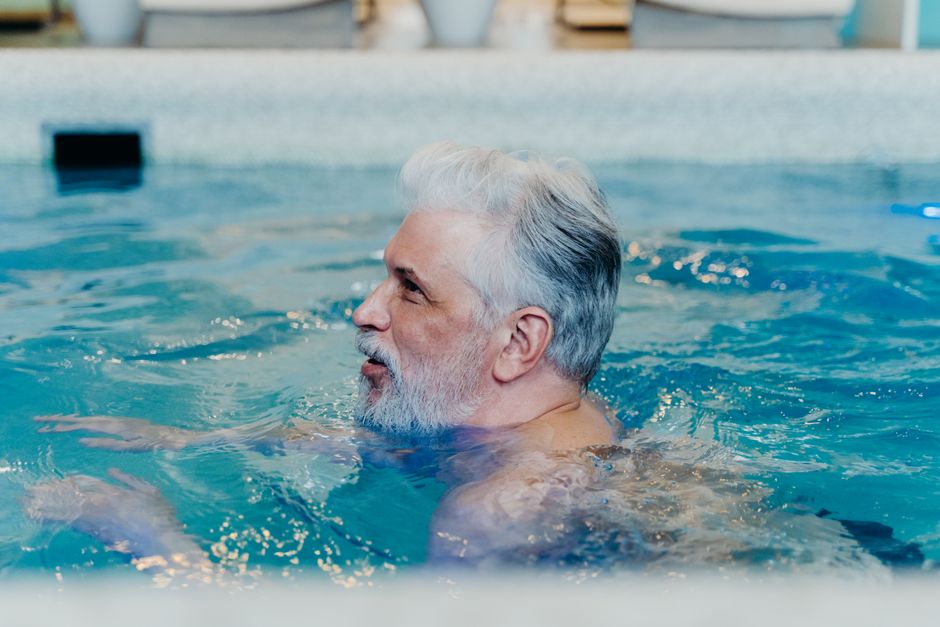
If running feels harder on your knees than it used to, you’re not imagining things. Many adults over 50 find that high-impact activities don’t work as well as they once did. The good news is that low-impact cardio can give you an excellent workout while being gentler on your joints.
Swimming, cycling, and elliptical training are three popular low-impact options. Each offers different benefits, challenges, and calorie-burning potential. Let’s compare them so you can choose the fit for your lifestyle and fitness goals.
Understanding Low-Impact Exercise
Low-impact doesn’t mean low-intensity. These exercises keep at least one foot (or your whole body) in contact with a surface at all times, reducing the force on your joints compared to activities like running or jumping. You can still work hard enough to breathe heavily and break a sweat.
The key difference is what happens to your joints. High-impact activities can put force on your knees equal to several times your body weight with each step. Low-impact cardio spreads that force more evenly or eliminates the pounding altogether.
Calorie Burn Comparison
How many calories you burn depends on your weight, how hard you work, and how long you exercise. In general terms, all three activities can burn similar amounts of calories when you work at a similar effort level.
Swimming tends to burn calories efficiently because it uses your entire body. The water provides resistance in all directions, making your muscles work harder. A moderate-pace swim typically burns calories at a rate similar to brisk walking or leisurely cycling, while vigorous swimming can match or exceed the calorie burn of faster cycling.
Cycling calorie burn varies significantly with speed and resistance. A casual ride on flat terrain burns fewer calories than a moderate swim, but pushing hard on hills or increasing resistance can make cycling one of the higher calorie burners among these three options.
Elliptical machines fall somewhere in the middle. Many people burn calories at a rate comparable to moderate cycling or swimming. The advantage is that you can easily adjust resistance and incline to increase or decrease intensity, giving you control over your calorie burn.
The most important factor isn’t which activity burns slightly more calories—it’s which one you’ll actually do consistently. An exercise you enjoy and stick with will always burn more calories over time than the theoretically “better” option you avoid.
Joint Impact and Safety Profile
Swimming
Swimming is often considered a very joint-friendly exercise. The water supports about 90 percent of your body weight, eliminating the impact that occurs when your feet hit the ground. This makes swimming particularly appealing if you have arthritis, previous joint injuries, or significant extra weight.
The buoyancy of water also reduces your risk of falling, which can be a concern for some older adults trying other forms of exercise. The water provides natural resistance without requiring you to lift weights or adjust machine settings.
One consideration is that swimming requires you to already be comfortable in water and able to swim with reasonable form. Poor technique, especially with certain strokes, can sometimes strain your neck or shoulders.
Cycling
Whether you ride outdoors or use a stationary bike, cycling keeps your body weight supported by the seat. This removes the impact from your knees, hips, and ankles. Your joints move through a smooth, circular motion without the jarring that comes from striking the ground.
Cycling is generally considered safe for people with knee osteoarthritis and other joint concerns. The motion can help lubricate joints and maintain range of motion. Some people find that cycling strengthens the muscles around their knees, which can provide better support.
The main safety concerns with cycling are outdoor hazards like traffic, uneven surfaces, and the risk of falls. Indoor stationary bikes eliminate these risks. Proper bike fit is important—an incorrectly adjusted seat height can strain your knees or hips over time.
Elliptical
Elliptical machines create a smooth, gliding motion that eliminates the impact of running while mimicking a similar movement pattern. Your feet never leave the pedals, so there’s no jarring when you land.
Most elliptical machines also include moving handlebars, letting you involve your upper body for a more complete workout. This can increase calorie burn and make the exercise feel more balanced.
The fixed motion pattern is both a benefit and a limitation. It’s predictable and safe, but your joints move through the same path every time. Some people find this repetitive motion less comfortable than the varied movements of swimming or the freedom of outdoor cycling.
Accessibility, Cost, and Convenience
Swimming
Access to swimming depends heavily on where you live. You’ll need access to a pool, which might mean joining a gym, community center, or municipal pool. Pool memberships or day passes add ongoing costs.
Pool hours can be limited, and you’ll need to factor in time for changing, showering, and dealing with wet hair and swimsuits. Lap swimming times may be restricted to certain hours when lanes are available.
For many people, the biggest barrier is simply discomfort with being in a swimsuit or getting their hair wet during the workday. Others find the ritual of going to the pool relaxing and worth the extra effort.
Cycling
Outdoor cycling requires a bike, which ranges from a modest to significant upfront investment depending on the type and quality you choose. You’ll also need a helmet and may want other safety gear. Once you have the equipment, outdoor cycling is free.
Indoor cycling requires either a stationary bike for your home or access to one at a gym. Basic stationary bikes are more affordable than many other pieces of exercise equipment, though prices vary widely based on features.
The convenience of outdoor cycling depends on your local weather, daylight hours, and whether you have safe places to ride. Indoor cycling can happen any time regardless of conditions, making it more predictable for maintaining a routine.
Elliptical
Elliptical machines are almost exclusively found at gyms or purchased for home use. They’re too large and expensive for most people to buy on a whim, and a quality machine represents a significant investment.
Gym access solves the cost problem but adds membership fees and travel time. You’re also dependent on gym hours and machine availability during busy times.
If you have space and budget for a home elliptical, it offers excellent convenience. You can exercise any time without leaving home, which removes many common barriers to consistency.
Which Option Works Best for Different Fitness Goals
For Weight Management
All three activities can support weight management when done regularly and combined with appropriate eating habits. A good choice is the one that fits your schedule well enough that you’ll do it several times per week.
Swimming and cycling may have a slight edge if you want to exercise for longer periods, as they often feel less tiring to beginners than elliptical training. This can help you gradually build up to longer workout durations.
For Building Cardiovascular Fitness
Each of these exercises can effectively strengthen your heart and lungs. You’ll see improvement by choosing an activity where you can comfortably maintain moderate intensity for sustained periods.
Cycling and elliptical training make it easy to monitor and adjust your intensity with resistance settings and speed displays. Swimming requires more body awareness to gauge your effort level, though you can learn to use your breathing rate and perceived exertion as guides.
For Overall Body Conditioning
Swimming uses many muscle groups simultaneously, engaging your arms, legs, core, and back with every stroke. This makes it a good choice for overall conditioning and functional strength.
Elliptical machines with moving handlebars also work both your upper and lower body, though the arm involvement is generally less intense than in swimming.
Cycling primarily works your lower body. While your core engages to stabilize you and your arms hold the handlebars, cycling doesn’t provide much upper body conditioning. (Part 3 of this series covers strength training options to complement cardio exercise.)
For People with Specific Joint Issues
If you have knee arthritis or previous knee surgery, cycling often works well because the circular pedaling motion is smooth and controlled. The seat supports your weight, and you can start with very light resistance.
For hip problems, swimming may be more comfortable than cycling for some people, as cycling keeps your hips in a bent position. The freedom of movement in water lets your hips move more naturally.
If you have shoulder issues, cycling may be preferable to swimming, especially if certain swimming strokes aggravate your shoulders. Choose an elliptical with stationary handles instead of moving ones if your shoulders are a concern.
Anyone with significant joint problems, recent injuries, or chronic conditions should discuss exercise plans with a doctor or physical therapist before starting a new routine.
How to Get Started with Swimming
If you’re new to swimming or haven’t swum in years, start by simply getting comfortable in the water. Walk back and forth in the shallow end, gradually increasing your pace. This alone provides a good workout.
When you’re ready to swim, begin with whichever stroke feels most natural—often a simple breaststroke or freestyle. Don’t worry about perfect technique at first. Swimming any stroke with reasonable form is better than not swimming at all.
Start with short intervals. Swim one or two pool lengths, rest for a minute, then repeat. Gradually increase the number of repetitions as you build endurance. Even ten minutes of actual swimming time provides benefits when you’re starting out.
Consider a few lessons if you want to improve your technique or learn new strokes. Many community pools and gyms offer adult swimming classes specifically designed for beginners or returning swimmers.
Invest in comfortable goggles that fit well and don’t leak. Being able to see underwater and protect your eyes from chlorine makes swimming much more enjoyable.
How to Get Started with Cycling
If you’re using a stationary bike, adjust the seat height so your knee has a slight bend when the pedal is at its lowest point. Your hips shouldn’t rock side to side as you pedal—if they do, lower the seat slightly.
Begin with just ten or fifteen minutes at an easy pace where you can still hold a conversation. Focus on a smooth, circular pedaling motion rather than pushing hard. Light resistance is fine when you’re starting.
Gradually add a few minutes to your sessions each week. You can increase intensity later by adjusting the resistance, but building duration first helps you develop endurance without overdoing it.
For outdoor cycling, start on flat, quiet routes where you feel safe and can focus on getting comfortable with the bike. Ride during daylight hours and always wear a helmet. Follow traffic laws and use bike lanes when available.
Make sure your outdoor bike fits properly, just like a stationary bike. Many bike shops offer fitting services. An ill-fitting bike can cause knee pain, back discomfort, or numb hands.
How to Get Started with Elliptical Training
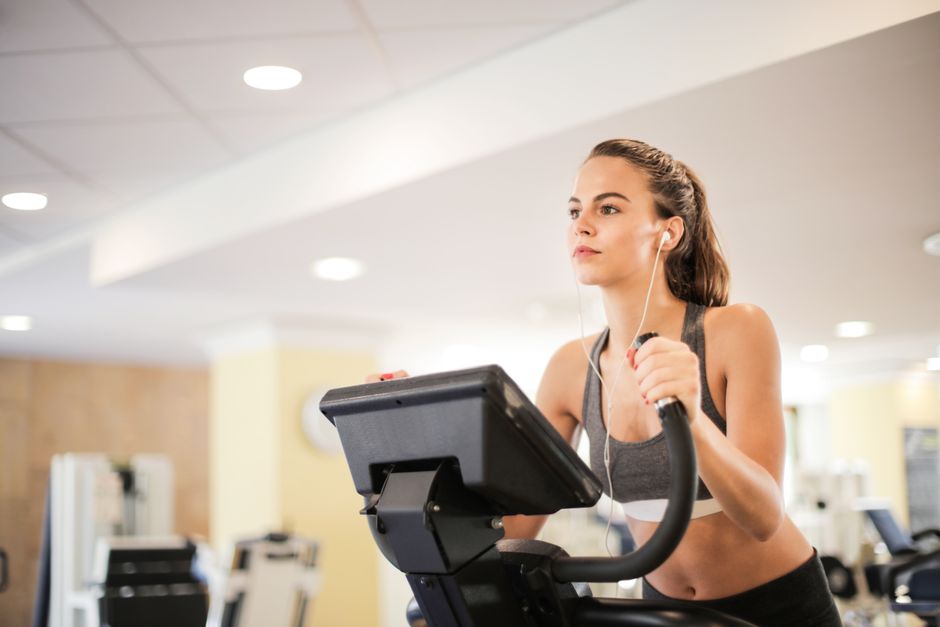
Step onto the machine while it’s stationary, using the handrails for support. Start the motion slowly and find your balance before increasing speed. Keep your feet flat on the pedals and your posture upright.
Begin with the resistance set to a low level. The movement should feel smooth and controlled, not like you’re fighting the machine. If you feel wobbly or the motion seems jerky, slow down and reduce resistance.
Start with ten-minute sessions and focus on maintaining good form—shoulders back, core engaged, and weight centered over your feet. Avoid leaning heavily on the handlebars, which reduces the workout intensity and can strain your wrists.
Many elliptical machines can go forward or backward. Once you’re comfortable with forward motion, try reversing direction occasionally to use your muscles differently.
As you build endurance, you can add time, increase resistance, or try preset programs that vary the intensity. But there’s no rush—consistent, comfortable workouts will take you further than pushing too hard too soon.
Combining Different Types of Cardio
You don’t have to choose just one activity. Many people find that mixing swimming, cycling, and elliptical training keeps exercise interesting and works their bodies in different ways.
Variety can also help you maintain consistency when circumstances change. If the pool is closed for maintenance, you can cycle. If the weather is bad for outdoor riding, you can use an elliptical at the gym.
Some people prefer different activities for different goals—perhaps a relaxing swim on recovery days and a more intense cycling session when they want to push harder.
Safety Considerations for All Three Activities
Start any new exercise program gradually, especially if you’ve been inactive. Sudden increases in activity can lead to overuse injuries or excessive soreness that discourages you from continuing.
Stay hydrated before, during, and after exercise. Yes, even swimming—you still sweat in the pool, and the water makes it easy to ignore thirst.
If you experience chest pain, severe shortness of breath, dizziness, or pain that doesn’t improve when you slow down, stop exercising and call 911. These could indicate a serious problem requiring immediate attention.
Anyone with diabetes should be aware that cardio exercise can affect blood sugar levels. Check with your doctor about monitoring your blood sugar before and after exercise, and ask whether you need to adjust medication timing or food intake around workouts.
If you take medications for heart conditions, blood pressure, or other chronic health issues, discuss your exercise plans with your doctor. You may need to adjust medication timing, and your doctor can help you understand what intensity level is appropriate.
Making Your Choice
The low-impact cardio that may work well for you is the one you’ll actually do regularly. Consider these questions:
Which activity sounds most enjoyable to you? Even small preferences matter when you’re trying to build a lasting habit.
Which fits most easily into your daily routine? An exercise that requires minimal travel and preparation is easier to maintain than one that takes significant planning.
Which feels best on your body? If one activity leaves you feeling energized while another causes discomfort, that’s valuable information.
What resources do you already have access to? Starting with what’s readily available often makes more sense than signing up for something that requires new memberships or major purchases.
Do you prefer exercising indoors or outdoors? Some people find outdoor activities more motivating, while others appreciate the climate control and predictability of indoor exercise.
Remember that you can always try one activity and switch if it doesn’t work out. Many gyms offer trial passes, and community pools often sell day passes so you can test swimming before committing to a membership.
Building a Sustainable Routine
Whichever activity you choose, consistency matters more than intensity. Exercising moderately three or four times per week will do more for your health than one exhausting session followed by days of recovery.
Schedule your workouts like appointments. Putting them on your calendar makes them feel more official and helps you plan around them rather than trying to squeeze them in whenever time appears.
Track your progress in whatever way feels motivating—whether that’s minutes exercised, distance covered, or simply checking off days on a calendar. Seeing your consistency build over weeks and months provides powerful encouragement.
Listen to your body and take rest days when you need them. Mild muscle tiredness is normal after exercise, but sharp pain, excessive fatigue, or soreness that persists for days means you should reduce intensity or frequency.
| Feature | Swimming | Cycling | Elliptical |
|---|---|---|---|
| Joint Impact | Water supports 90% of body weight, eliminates impact | Body weight supported by seat, no impact | Feet never leave pedals, no impact |
| Muscles Used | Entire body (arms, legs, core, back) | Primarily lower body | Lower body, plus upper body if using handlebars |
| Calorie Burn | Moderate pace similar to brisk walking; vigorous can match fast cycling | Varies with speed—casual burns less, hills/resistance burns more | Comparable to moderate cycling or swimming |
| Access Needed | Pool membership or facility access | Bike (outdoor) or stationary bike/gym | Gym membership or home machine |
| Best For | Overall conditioning, those with hip problems, avoiding fall risk | Knee arthritis, those with shoulder issues | Predictable routine, eliminating outdoor weather barriers |
Moving Forward
Low-impact cardio exercise offers powerful benefits for your heart, joints, weight management, and overall wellbeing. Swimming, cycling, and elliptical training each provide effective workouts while being gentle on your joints.
The activity that’s right for you depends on your individual circumstances, preferences, and goals. You might try all three and discover that one feels like a good fit, or you might enjoy rotating among them for variety.
What matters most is finding a form of movement you can sustain over time. Starting where you are, with what you have, and gradually building from there will serve you better than any attempt to find the single “perfect” exercise.
Your body is capable of more than you might think, and low-impact cardio is a way to discover and expand those capabilities. Whether you’re gliding through water, pedaling down a bike path, or stepping through an elliptical motion, you’re investing in your health and future mobility with every session.
Disclaimer: This article is for general information only and does not replace professional medical advice. Talk with your doctor or pharmacist before making changes to your health care, and call 911 in an emergency.
Leave a Reply