Can Massage Therapy Help Plantar Fasciitis?
Comparing Foam Rolling, Massage Guns, and Professional Treatment
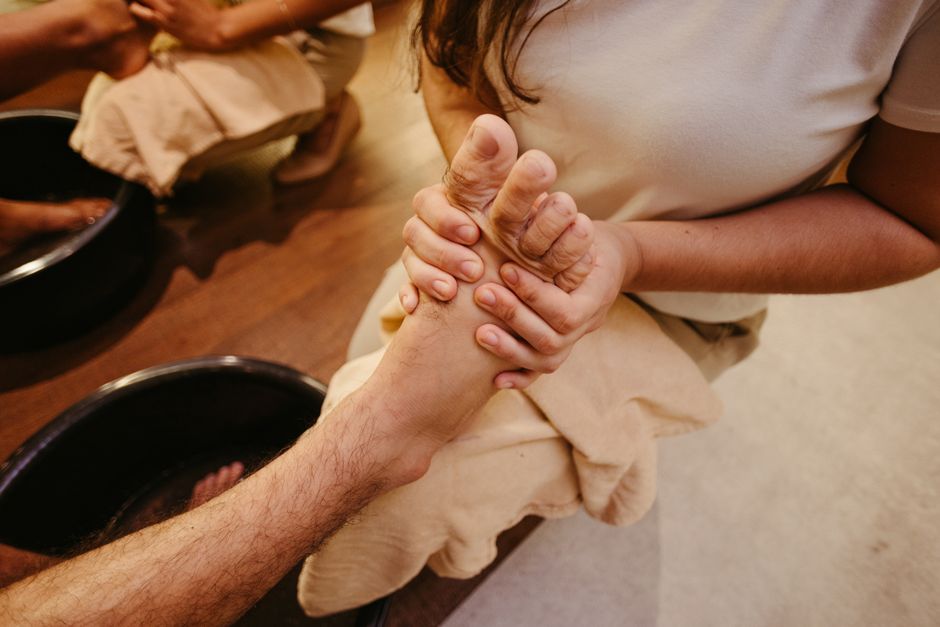
If you’ve been dealing with that stabbing heel pain from plantar fasciitis, you’ve probably wondered whether massage could help. The short answer is that massage approaches may offer relief for some people, though they work best as part of a broader treatment plan rather than as a standalone cure.
Let’s look at what different massage methods can and cannot do for plantar fasciitis, from tools you can use at home to professional treatment options.
How Massage May Help Plantar Fasciitis Symptoms
The plantar fascia is a thick band of tissue running along the bottom of your foot from your heel to your toes. When it becomes inflamed or develops small tears, the result is plantar fasciitis. Massage techniques aim to address this condition in several ways.
Massage may help reduce tension in the plantar fascia itself and in the calf muscles that connect to it. When calf muscles are tight, they can pull on the Achilles tendon, which in turn increases stress on the plantar fascia. By working on both areas, massage may help reduce some of this mechanical stress.
Massage also encourages blood flow to the affected area, which may support the body’s natural healing processes. Additionally, many people find that massage provides temporary pain relief, which can make it easier to stay active and do other helpful activities during recovery.
That said, massage is not a quick fix. Research suggests it works best when combined with other approaches, and results vary considerably from person to person.
Proper Techniques for Foam Rolling the Foot and Calf
Foam rolling is one of the most accessible self-massage options because the equipment is inexpensive and easy to use at home. For plantar fasciitis, you’ll want to focus on both your foot and your calf muscles.
For the bottom of your foot, you can use a small foam roller, a tennis ball, or a specialized massage ball. While seated in a sturdy chair, place the ball or roller under your foot and apply gentle pressure as you roll it from your heel toward the ball of your foot. Move slowly and pause on any spots that feel particularly tight or tender, but avoid pressing so hard that you cause sharp pain.
Work on this for a few minutes at a time, ideally once or twice daily. Some people find it helpful to do foot rolling in the morning before taking those first painful steps, or in the evening while watching television.
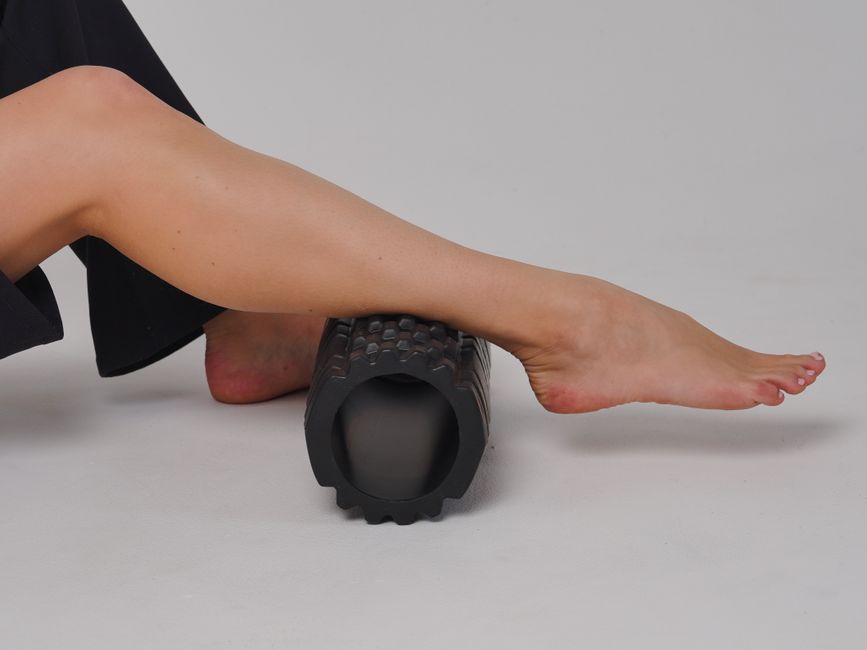
For calf rolling, sit on the floor with your legs extended and place a foam roller under one calf. Use your hands to lift your hips slightly off the floor and roll slowly from just above your ankle to just below your knee. You can rotate your leg slightly from side to side to reach different parts of the calf muscle.
If you have diabetes, peripheral neuropathy, or poor circulation in your legs and feet, check with your doctor before starting any self-massage routine. Reduced sensation can make it harder to judge appropriate pressure, and some conditions require modified techniques.
Benefits and Limitations of Massage Guns for Foot Pain
Massage guns, also called percussion massage devices, have become popular in recent years. These handheld tools deliver rapid pulses of pressure to muscles and soft tissue. For plantar fasciitis, they offer some potential benefits but also important limitations.
The main advantage of massage guns is that they can deliver consistent pressure without tiring out your hands, which can be helpful when working on tight calf muscles. The percussion action may help reduce muscle tension for some people.
However, massage guns require careful use on the foot itself. The bottom of the foot has many small bones and nerves close to the surface, and the intense percussion can be uncomfortable if used incorrectly. Some experts recommend using massage guns on the calf muscles rather than directly on the plantar fascia.
If you do use a massage gun on your foot, choose the lowest speed setting and the softest attachment head available. Keep the device moving rather than holding it in one spot, and avoid using it directly on your heel bone or other bony areas. Stop immediately if you experience sharp pain, numbness, or tingling.
People with certain conditions should talk with their doctor before using massage guns. If you take blood-thinning medications, ask your doctor whether massage guns are safe for you.
What to Expect from Professional Massage Therapy
Professional massage therapists who work with foot and lower leg conditions can offer more targeted treatment than self-massage approaches in some cases. Understanding what to expect can help you decide whether this option is worth exploring.
A massage therapist experienced in treating plantar fasciitis will typically work on your foot, ankle, and calf during a session. They may use various techniques including deep tissue massage, trigger point therapy, and myofascial release. The therapist applies sustained pressure to tight areas and may work along the entire length of the plantar fascia and surrounding muscles.
Sessions usually last between thirty and sixty minutes. Some therapists recommend starting with weekly appointments for several weeks, then spacing them out as symptoms improve. The massage itself may cause some discomfort when the therapist works on particularly tight or tender areas, but it should not cause sharp or unbearable pain.
Professional therapists can adjust their pressure and technique based on your feedback and can reach areas that are difficult to treat on your own. They may also provide guidance on self-massage techniques you can do between appointments.
It’s worth noting that massage therapists cannot diagnose medical conditions or prescribe treatment plans. If you haven’t already seen a doctor about your heel pain, it’s wise to get a proper diagnosis before investing in massage therapy. Some conditions that mimic plantar fasciitis require different treatment approaches.
Evidence Comparing Self-Massage Versus Professional Treatment
Research on massage for plantar fasciitis suggests that both self-massage and professional treatment may provide benefits for some people, though the evidence has limitations.
Studies examining self-massage techniques generally find that regular practice may lead to modest improvements in pain and function over several weeks. The advantage of self-massage is that you can do it daily without the cost of professional appointments. The disadvantage is that it requires consistency and proper technique, and some people find it difficult to apply adequate pressure to their own feet.
Research on professional massage therapy also suggests potential benefits, with some studies finding short-term improvements in pain and mobility. However, the quality and design of some studies make it hard to draw firm conclusions. Professional massage offers the benefit of skilled technique and the ability to address multiple areas in one session, but it comes with ongoing costs and time commitments.
Research has not consistently shown that professional massage produces significantly better outcomes than well-performed self-massage techniques. This suggests that regular, consistent massage of some kind may be more important than whether it’s professionally administered.
One important finding across studies is that massage appears to work best when combined with other treatments. Massage alone is unlikely to resolve plantar fasciitis, but it may help reduce symptoms while you address other factors contributing to the condition.
Cost Considerations and Realistic Expectations
Making an informed decision about massage for plantar fasciitis requires understanding both the financial investment and what you can realistically expect in terms of results.
Self-massage tools are the most budget-friendly option. A foam roller or massage ball typically costs between ten and thirty dollars and can last for years. Massage guns are more expensive, with decent-quality devices starting around one hundred dollars, but they’re still a one-time purchase.
Professional massage therapy costs vary widely depending on your location and the therapist’s experience. Sessions typically range from sixty to one hundred twenty dollars or more. If a therapist recommends weekly treatments for six to eight weeks, you’re looking at a significant investment. Some health insurance plans cover massage therapy when prescribed by a doctor for a specific medical condition, so it’s worth checking your benefits.
Physical therapy, which often includes massage techniques along with other treatments, may be more likely to receive insurance coverage than standalone massage therapy. Part 1 of this series discusses other home treatment options you might combine with massage approaches.
Regarding expectations, it’s important to understand that massage is unlikely to cure plantar fasciitis on its own. Some people who find relief from massage notice gradual improvement over weeks rather than immediate results. Some people experience temporary pain reduction after massage but find that symptoms return within hours or days.
Massage is probably most useful as part of a comprehensive approach that addresses the underlying causes of your plantar fasciitis. This might include managing your activity levels, wearing appropriate footwear, and addressing muscle tightness throughout your lower leg.
| Method | Cost | Key Advantages | Key Limitations |
|---|---|---|---|
| Foam Rolling / Massage Ball | $10-30 (one-time) | Can use daily at home; inexpensive | Requires consistency and proper technique; difficult to apply adequate pressure |
| Massage Gun | $100+ (one-time) | Delivers consistent pressure without tiring hands | Intense percussion can be uncomfortable on foot; should mainly be used on calf |
| Professional Massage Therapy | $60-120+ per session | Skilled technique; can adjust based on feedback; can reach difficult areas | Ongoing cost; weekly sessions for 6-8 weeks often recommended |
Making Your Decision
If you’re considering massage for plantar fasciitis, starting with self-massage techniques makes sense for some people. The low cost and convenience allow you to test whether massage helps your symptoms before investing in professional treatment.
Try foam rolling or ball rolling for your foot and calf muscles once or twice daily for several weeks. Keep track of your symptoms to see whether you notice any improvement. If self-massage seems helpful but you’re having trouble reaching certain areas or applying enough pressure, that might be a good time to try professional massage therapy.
Some people find that a few sessions with a professional massage therapist or physical therapist teach them better self-massage techniques, after which they can continue treatment at home. This middle-ground approach can provide professional guidance without the ongoing cost of regular appointments.
Remember that massage should not cause severe pain. If any massage technique makes your symptoms worse or causes sharp pain, stop and consult with a healthcare provider. While massage is generally safe, plantar fasciitis can sometimes be confused with other conditions that require different treatment.
If your heel pain persists despite several weeks of massage and other home treatments, or if you develop new symptoms like numbness, swelling, or pain in both feet, schedule an appointment with a doctor or podiatrist. Persistent or worsening symptoms may indicate that you need a different treatment approach or that something else is causing your pain.
Massage can be a helpful tool in managing plantar fasciitis, but like treatments for this stubborn condition, it works best when combined with other strategies and when expectations remain realistic. Whether you choose foam rolling on your living room floor or professional sessions at a clinic, consistency and patience are key to seeing whatever benefits massage might offer for your particular situation.
Disclaimer: This article is for general information only and does not replace professional medical advice. Talk with your doctor or pharmacist before making changes to your health care, and call 911 in an emergency.
Leave a Reply