How to Build a Home Workout Routine Without Expensive Equipment or a Gym Membership
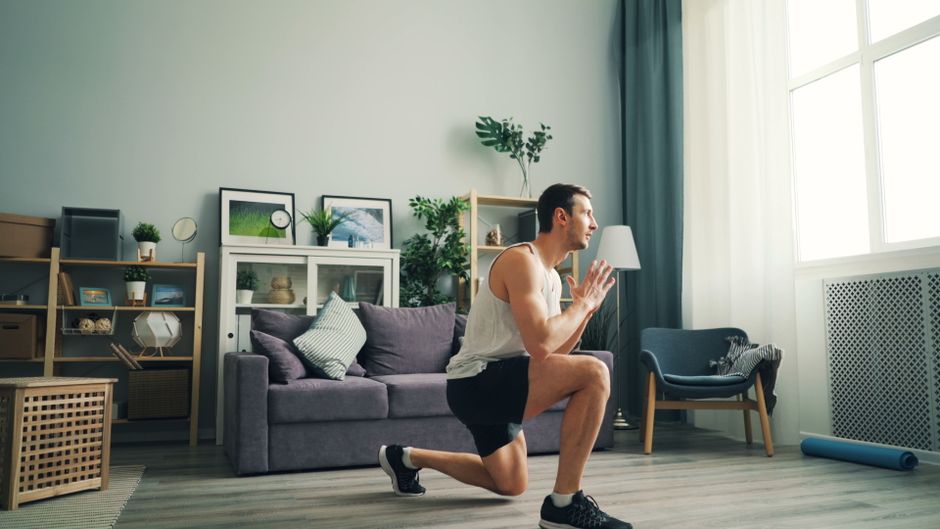
Starting a fitness routine doesn’t require a gym membership or a garage full of equipment. With just your body weight and a few simple tools, you can build strength, improve balance, and boost your energy right in your living room or bedroom.
Many adults over 50 find that exercising at home fits better into their schedules and feels more comfortable than joining a gym. The key is knowing which exercises to do, how to organize them into a routine, and how to progress safely over time.
Essential Bodyweight Exercises for a Full-Body Routine
Bodyweight exercises use your own weight as resistance to build muscle and improve cardiovascular health. These movements work multiple muscle groups at once and require no equipment at all.
For your lower body, squats and sit-to-stands are foundational movements. To do a squat, stand with feet hip-width apart and lower yourself as if sitting into a chair, then stand back up. If full squats feel too challenging, practice sitting down into a sturdy chair and standing up without using your hands. Lunges, where you step forward and lower your back knee toward the floor, help improve balance and leg strength.
For your upper body, wall push-ups offer a gentle starting point. Stand facing a wall at arm’s length, place your palms against it, and lean in by bending your elbows, then push back. As you get stronger, you can progress to push-ups against a countertop, then a coffee table, and eventually the floor. Arm circles and shoulder presses without weights still engage the muscles in your shoulders and arms.
For your core, modified planks build stability throughout your midsection. Start by holding a plank position with your forearms on the floor and knees down, keeping your back straight. Lying leg raises, where you lie on your back and lift one leg at a time, strengthen the lower abdominal muscles without straining the neck.
For balance and stability, single-leg stands are simple but effective. Stand near a wall or counter for safety, lift one foot slightly off the ground, and hold for several seconds. Heel-to-toe walks, where you walk in a straight line placing the heel of one foot directly in front of the toes of the other, help improve coordination.
How to Structure a Weekly Workout Schedule at Home
A balanced weekly schedule includes strength exercises, activities that get your heart rate up, and movements that maintain flexibility. The general guidance from public health organizations suggests adults aim for muscle-strengthening activities on two or more days per week, along with regular aerobic activity.
A sample weekly structure might include strength-focused workouts on Monday, Wednesday, and Friday, with lighter movement or cardio-style activities on Tuesday and Thursday. Many people take one or two days for complete rest or very gentle stretching.
On strength days, focus on exercises that work all major muscle groups: legs, hips, back, abdomen, chest, shoulders, and arms. You don’t need to spend hours exercising—sessions lasting 20 to 40 minutes can be helpful when done consistently.
For cardio at home, try marching in place, stepping side to side, or doing a series of exercises back-to-back with minimal rest. Activities like climbing stairs, if you have them, or walking briskly around your home also count. Part 5 of this series covers comparisons between different cardio options.
Start each session with a warm-up of five to ten minutes of gentle movement to increase blood flow and prepare your joints. End with a few minutes of stretching while your muscles are warm to maintain flexibility.
Low-Cost Equipment Alternatives and Household Items That Work
You can create resistance using items you already have at home. A few small purchases can add variety, but they’re not essential when you’re starting out.
For added resistance, canned goods or filled water bottles work as light hand weights. A gallon jug filled with water weighs about eight pounds and has a built-in handle. Laundry detergent bottles or bags of rice can also serve as weights for exercises like bicep curls or overhead presses.
For cushioning and comfort, a folded towel or blanket provides padding under your knees during floor exercises. A yoga mat is a reasonably priced option if you prefer a dedicated surface, but it’s not necessary.
For support and stability, a sturdy chair without wheels becomes valuable exercise equipment. Use it for seated exercises, balance support, or modified push-ups. The back of a sofa or a kitchen counter works well for holding onto during standing leg exercises.
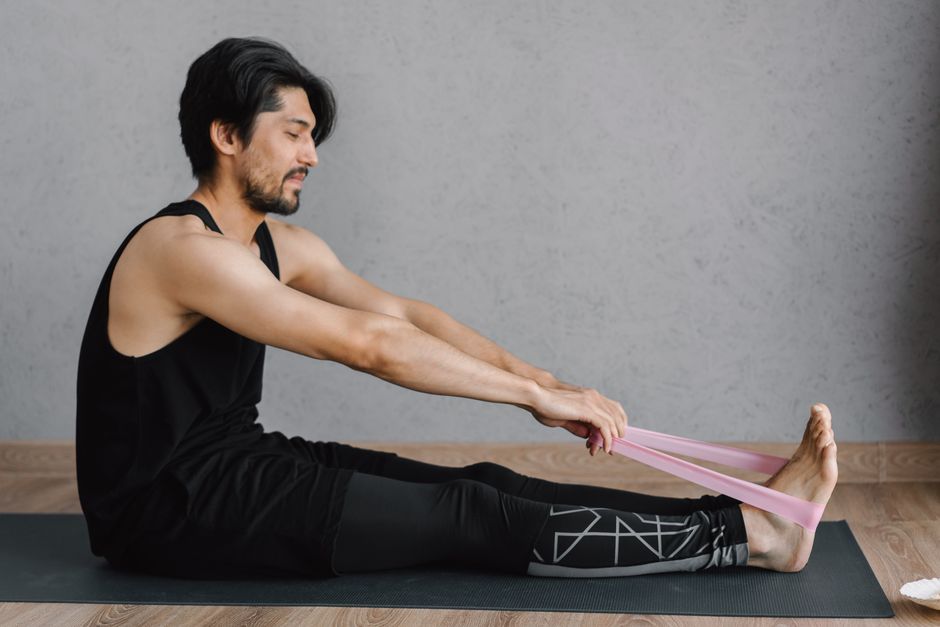
For resistance training, resistance bands are lightweight, inexpensive, and versatile. These stretchy loops or bands with handles can be used for dozens of exercises targeting every muscle group. Look for sets that include bands of varying resistance levels so you can adjust the difficulty.
For added challenge, a set of light dumbbells offers more options as you progress, though they’re not required. Ankle weights that strap around your lower legs can make leg lifts more challenging.
Space Requirements and Setup for Home Workouts
Most home workouts require surprisingly little space. If you can lie down with your arms extended overhead and to the sides without touching furniture, you have enough room.
Minimum space needs are roughly the size of a yoga mat—about six feet long and three feet wide. Many exercises can be done in even smaller areas if you choose movements that don’t require lying down.
Choose a safe location with enough clearance around you. Move coffee tables, throw rugs that might slip, and other obstacles out of the way. Make sure you have something stable nearby to hold onto if needed for balance.
Flooring considerations matter for comfort and safety. Carpet provides some cushioning, but very thick or soft carpet can make balance exercises harder. Hard floors like wood or tile work well but may feel uncomfortable for exercises that involve kneeling or lying down. Adding a mat or towel solves this issue.
Keep equipment accessible by storing your workout items in a basket or small bin. When everything is in one place, you’re more likely to exercise regularly. Some people leave their mat rolled up in a corner or keep their resistance bands hanging on a hook as a visual reminder.
Temperature and ventilation affect your comfort during exercise. A room that feels slightly cool at rest will feel comfortable once you start moving. Opening a window or using a fan helps with airflow.
Sample Beginner Home Routine
This routine is designed for someone new to structured exercise or returning after a long break. The focus is on learning proper form and building a habit rather than intensity.
Before starting, check with your doctor about which activities are appropriate for you, especially if you have any health conditions or concerns about exercising safely.
Warm-up (5 minutes): March in place, do arm circles forward and backward, roll your shoulders, and do gentle side-to-side steps.
Main exercises (repeat the circuit 1-2 times):
– Wall push-ups: 8-10 repetitions
– Sit-to-stands from a chair: 8-10 repetitions
– Standing marches, bringing knees up: 20 repetitions (10 per leg)
– Seated torso twists: 10 repetitions per side
– Single-leg stands: Hold for 10 seconds per leg
Cool-down (5 minutes): Gentle stretches for the legs, arms, shoulders, and back, holding each stretch for 15-30 seconds without bouncing.
Do this routine two to three times per week, with at least one rest day between sessions. As it becomes easier over several weeks, add more repetitions or another round through the circuit.
Sample Intermediate Home Routine
This routine suits someone who has been exercising regularly for a few months and is ready for more challenge. Movements become more dynamic and you’ll hold positions longer.
Warm-up (5-7 minutes): Brisk marching, arm swings, hip circles, and gentle lunges.
Circuit 1 (repeat 2-3 times):
– Squats (no chair): 12-15 repetitions
– Modified push-ups from knees or elevated surface: 10-12 repetitions
– Alternating lunges: 10 per leg
– Plank hold on knees or toes: 20-30 seconds
Circuit 2 (repeat 2-3 times):
– Standing leg lifts to the side: 12 per leg
– Resistance band rows (if you have a band): 12-15 repetitions
– Bicycle crunches lying on your back: 10 per side
– Single-leg stands with eyes closed: 15-20 seconds per leg
Cool-down (5-7 minutes): Stretches for all major muscle groups.
Aim for three to four sessions per week. You can split circuits across different days or do the full routine in one session.
Sample Advanced Home Routine
This routine is for someone who has been exercising consistently and wants to maintain or increase strength and endurance using only bodyweight.
Warm-up (7-10 minutes): Dynamic movements including high knees, butt kicks, inchworms, and arm sweeps.
Circuit 1 (repeat 3 times):
– Single-leg squats or pistol squat progressions: 8-10 per leg
– Standard push-ups from toes: 12-15 repetitions
– Jumping or step-back lunges: 10 per leg
– Plank with alternating leg lifts: 10 per leg
Circuit 2 (repeat 3 times):
– Glute bridges with single-leg hold: 10 per leg
– Pike push-ups (for shoulders): 10-12 repetitions
– Mountain climbers: 20 total
– Side plank hold: 30-45 seconds per side
Circuit 3 (repeat 2 times):
– Burpees or step-out burpees: 8-10 repetitions
– Superman holds lying on stomach: 20-30 seconds
– Jumping jacks or step jacks: 30 repetitions
– Wall sit: 45-60 seconds
Cool-down (7-10 minutes): Extended stretching and deep breathing.
This level of routine can be done four to five times per week, with attention to how your body feels and adequate rest between intense sessions.
Tips for Staying Consistent and Progressing Safely
Set a regular time for your workouts rather than trying to fit them in whenever you have free time. Many people find that morning sessions happen more reliably, but the best time is whenever you’ll actually do it.
Track your workouts in a simple notebook or calendar. Write down what you did and how it felt. Seeing your consistency build over weeks provides motivation.
Progress gradually by adding just one or two more repetitions each week, holding positions a few seconds longer, or making small adjustments to make movements more challenging. Rushing progress increases the risk of injury.
Listen to your body and distinguish between the mild discomfort of working muscles and pain that signals a problem. Soreness that appears a day or two after exercise is normal. Sharp pain during an exercise, pain in joints rather than muscles, or discomfort that doesn’t improve with rest should prompt you to stop that movement and consider checking with a healthcare provider.
Stay hydrated by drinking water before, during, and after your workout. Individual needs vary based on the intensity of exercise, temperature, and personal factors.
Watch your form more than your speed. Doing exercises correctly protects your joints and makes the movements more effective. If you’re unsure about proper form, many free online resources demonstrate bodyweight exercises. A single session with a physical therapist or personal trainer can also provide valuable guidance.
Mix up your routine every few weeks to prevent boredom and continue challenging your body in new ways. Changing the order of exercises, trying new movements, or adjusting the tempo keeps things interesting.
| Day | Activity Type | Example |
|---|---|---|
| Monday | Strength | Full-body exercises (legs, core, upper body) |
| Tuesday | Cardio | Marching in place, stepping side to side |
| Wednesday | Strength | Full-body exercises (legs, core, upper body) |
| Thursday | Cardio | Climbing stairs, brisk walking |
| Friday | Strength | Full-body exercises (legs, core, upper body) |
| Saturday/Sunday | Rest or stretching | Gentle stretching or complete rest |
Making Home Exercise a Long-Term Habit
The convenience of home workouts removes many common barriers to exercise. You don’t need to drive anywhere, wait for equipment, or worry about what you’re wearing.
Create a mental shift by designating your workout space, even if it’s just temporarily clearing an area in your living room. This signals to your brain that it’s time to exercise.
Find what you enjoy within the structure of a complete program. Some people prefer following along with video workouts, while others like the quiet of exercising on their own. Some enjoy counting repetitions, while others prefer timing each exercise.
Connect movement to how you feel afterward rather than just viewing it as something you should do. Many people notice improved energy, better sleep, and a sense of accomplishment from regular exercise. These intrinsic rewards often matter more than external goals.
Building a home workout routine offers flexibility, privacy, and cost savings while delivering health benefits similar to gym-based programs. With the exercises and structures outlined here, you have everything needed to create a fitness practice in whatever space you have available.
Disclaimer: This article is for general information only and does not replace professional medical advice. Talk with your doctor or pharmacist before making changes to your health care, and call 911 in an emergency.
Leave a Reply