How to Prevent Diabetic Foot Ulcers
Daily Inspection Habits That Could Save Your Limbs

If you’re among the more than 40 million Americans living with diabetes, you’ve likely heard your doctor emphasize the importance of foot care. But did you know that a simple daily habit—checking your feet—could help save your limbs from amputation?
Foot ulcers are one of the most serious complications of diabetes, and if they aren’t treated early, they can lead to hospital stays and even amputation. The good news? Many of these problems can be prevented with proper foot care and early detection.
Let’s dive into the daily inspection habits that could make all the difference in your diabetic foot health.
Why Are People with Diabetes at Higher Risk for Foot Problems?
Diabetes affects your body in ways that specifically target your feet. High blood sugar levels can damage nerves (diabetic neuropathy) and reduce blood flow to your extremities (peripheral artery disease).
When you lose sensation in your feet, you might not notice a small cut, blister, or sore. Without adequate blood flow, these minor injuries struggle to heal and can quickly develop into serious ulcers. This combination creates the perfect storm for foot complications.
The National Institute of Diabetes and Digestive and Kidney Diseases (NIDDK) reports that as many as half of all people with diabetes have nerve damage in their feet and legs. This makes daily foot inspections not just recommended—but essential.

The Daily Foot Inspection Routine: Your 5-Minute Limb-Saving Habit
When to Inspect Your Feet
Choose a consistent time each day when you can sit comfortably in good lighting. Many Americans find that after their evening shower or before bed works best. The key is making it part of your routine, like brushing your teeth.
Set a reminder on your smartphone if needed. Think of it as an important appointment with yourself that you can’t miss.
What You’ll Need
Gather these items to make your inspection easier:
– A handheld mirror (or a standing mirror you can position near your feet)
– Good lighting—a reading lamp works well
– Your reading glasses if you wear them
– A small notebook or smartphone app to track any concerns
The Step-by-Step Inspection Process
1. Visual Examination of the Tops and Sides
Sit in a comfortable chair with good lighting. Remove your socks and shoes completely, and examine the top and sides of both feet carefully.
Look for these warning signs:
– Cuts, scratches, or breaks in the skin
– Blisters or burns
– Redness, warmth, or swelling
– Discoloration or dark spots
– Ingrown toenails or changes in nail color
Don’t rush through this step. Most diabetes-related amputations begin with a foot ulcer, so catching small problems early is one of the best ways to protect your feet.
2. Check the Bottom of Your Feet
This is where that mirror becomes essential. Place the mirror on the floor and position your foot over it, or hold a handheld mirror to get a clear view of your sole.
Examine carefully for:
– Cracks, especially in the heel area (common in dry climates like Arizona or during harsh winters)
– Peeling between toes
– Any breaks in the skin
– Calluses or corns (which can hide ulcers underneath)
– Puncture wounds from stepping on objects
If you have trouble bending or seeing the bottoms of your feet, ask a family member for help or consider consulting a podiatrist about assistive devices.
3. Check Between Your Toes
Gently separate each toe and look at the skin between them. This warm, moist area is prone to fungal infections and skin breakdown.
Watch for:
– Redness or maceration (soggy, white skin)
– Cracks or fissures
– Signs of athlete’s foot
– Unpleasant odor
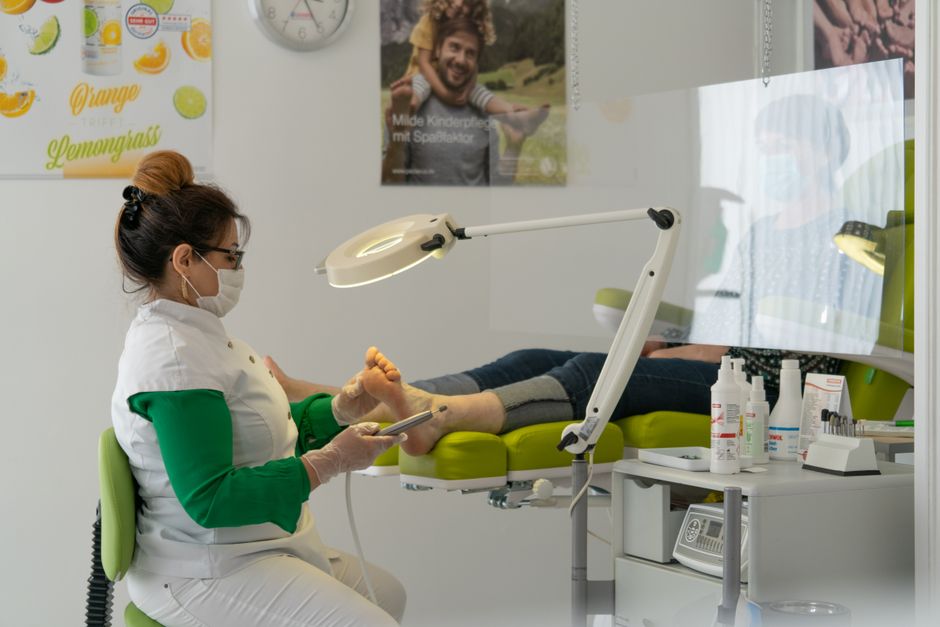
Dry thoroughly between your toes after bathing. This simple step helps prevent infections.
4. Feel for Temperature Changes
Gently touch different areas of your feet and compare both feet to each other. Notice whether any spot feels warmer or cooler than the area around it.
Temperature is only a clue, not a diagnosis. New warmth in one spot can be a sign of inflammation or infection, and coldness may suggest poor circulation.
If you notice new warmth, swelling, or color changes, contact your healthcare provider.
5. Check for Changes in Shape
Look at the overall structure of your feet. Has one developed a new bump or changed shape?
Charcot foot, a condition where bones weaken and the foot changes shape, affects some people with diabetic neuropathy. Early detection is critical to prevent severe deformity.
What to Do When You Find Something Wrong
First Steps for Small Cuts or Blisters
If you find a small cut, scratch, or blister, take these first steps:
– Gently rinse it with clean water or wash it with mild soap and water
– Cover it with a clean, dry bandage
– Call your doctor or podiatrist right away, even if it looks minor
Don’t apply creams or ointments unless your care team tells you to. Never use harsh antiseptics like iodine or hydrogen peroxide on diabetic feet—they can damage tissue.
When to Call Your Doctor Immediately
Contact your healthcare provider or podiatrist right away if you notice:
– Any open sore, wound, or broken blister
– Signs of infection (redness spreading from a wound, pus, warmth, red streaks, fever)
– Change in skin color (very red, blue, or pale)
– Severe pain or numbness
– Ingrown toenail with redness or drainage
Don’t wait to see if these issues resolve on their own. With diabetes, foot problems can get worse quickly. Medicare and many private insurance plans cover foot exams and treatment for people with diabetes who have nerve damage or other foot problems, so check your plan for details.
Beyond Daily Inspections: Supporting Foot Health Habits
Proper Footwear Choices
If you have diabetes, investing in proper footwear is money well spent.
Look for shoes that:
– Fit well with wiggle room for toes
– Have cushioned soles
– Contain no rough interior seams
– Provide good support
A podiatrist or a store with trained shoe fitters can help you find supportive shoes that fit well. Medicare Part B covers one pair of therapeutic shoes and inserts per year for people with diabetes who qualify.
Never walk barefoot, even at home. A small piece of glass, a dropped tack, or even a pet’s toy could cause an injury you won’t feel.
Daily Foot Care Practices
Washing: Clean your feet daily with lukewarm water—test the temperature with your elbow, not your potentially numb feet. Use a mild, fragrance-free soap.
Drying: Pat feet dry gently, especially between toes. Don’t rub vigorously, as this could damage skin.
Moisturizing: Apply a gentle moisturizer to prevent dry, cracked skin. Avoid putting lotion between your toes, where excess moisture can cause problems.
Nail care: Trim toenails straight across and file edges. If you have trouble seeing or reaching your feet, ask a podiatrist about regular professional nail care.
| Situation | 🛑 Avoid | ✅ Do Instead |
|---|---|---|
| A cut, blister, or sore | Treating it yourself and waiting a few days to see if it heals | Rinse gently, cover with a clean bandage, and call your doctor or podiatrist right away |
| Washing your feet | Putting your feet in water without checking the temperature | Test the water with your elbow first, then use lukewarm water |
| Moisturizing | Putting lotion between your toes | Moisturize the tops and bottoms of your feet, and keep the skin between your toes dry |
| Walking around | Going barefoot, even at home | Wear socks and shoes or slippers, indoors and outdoors |
Blood Sugar Management
Your daily foot inspections work best when combined with good blood sugar control. The American Diabetes Association recommends these target ranges for many adults:
– Before meals: 80-130 mg/dL
– Two hours after starting a meal: less than 180 mg/dL
– A1C: below 7%
Your doctor may set different targets for you. Keeping blood sugar in your target range can help protect your nerves and blood vessels and support healing.
Regular Professional Foot Exams
Even with excellent daily self-inspections, you still need regular foot exams from a healthcare provider:
– At least once a year for everyone with diabetes
– More often if you have nerve damage, poor circulation, or a history of foot ulcers—your doctor will decide how often based on your risk
It’s also a good idea to ask your healthcare provider to check your feet at every visit.
During these appointments, your doctor should check your sensation using a monofilament test, assess your circulation, and examine your feet thoroughly.
Special Considerations for American Lifestyles
For Active Americans
If you exercise regularly—whether it’s walking at your local park, taking a group exercise class, or playing pickleball—inspect your feet both before and after activity.
Wear moisture-wicking socks designed for people with diabetes, available at sporting goods stores and online. Break in new athletic shoes gradually before long workouts.
For Workers on Their Feet
Americans who work in retail, healthcare, food service, or other standing professions face extra challenges. Consider these tips:
– Invest in high-quality work shoes with excellent support
– Use compression socks if approved by your doctor
– Take breaks to elevate your feet when possible
– Do extra-thorough inspections after long shifts
During Travel
Whether you’re road-tripping across Route 66 or flying to visit family, don’t skip your daily foot checks. Pack a small travel kit with:
– Your inspection mirror
– Extra diabetic socks
– Bandages and any wound-care supplies your doctor recommends
– Your podiatrist’s contact information
Avoid going barefoot through airport security—wear socks through the scanner to protect your feet.
Technology Can Help
Many diabetes apps for smartphones let you log your health data and set daily reminders, including a reminder to check your feet. You can also use your phone’s camera to photograph any spot that worries you, so you can track changes over time and show your healthcare team.
The Bottom Line: Small Habit, Huge Impact
Taking five minutes each day to inspect your feet might seem like a small thing, but for the millions of Americans living with diabetes, it’s one of the most helpful preventive habits available.
Remember: you have more control over your foot health than you might think. Daily inspections catch problems early when they’re most treatable. Combined with proper footwear, good blood sugar control, and regular professional care, this simple habit can help you stay active and independent for years to come.
Start your daily foot inspection routine today—your future self will thank you.
Resources for More Information
- American Diabetes Association: diabetes.org (1-800-DIABETES)
- CDC Diabetes Homepage: cdc.gov/diabetes
- National Institute of Diabetes and Digestive and Kidney Diseases: niddk.nih.gov
- American Podiatric Medical Association: apma.org
To find a podiatrist near you who specializes in diabetic foot care, ask your primary care doctor for a referral or check with your insurance provider’s directory.
Disclaimer: This article is for informational purposes only and does not constitute medical advice. Always consult with your healthcare provider about your specific condition and treatment needs.
Leave a Reply