The Dawn Phenomenon
Why Your Blood Sugar Is High in the Morning, Even When You Didn’t Eat
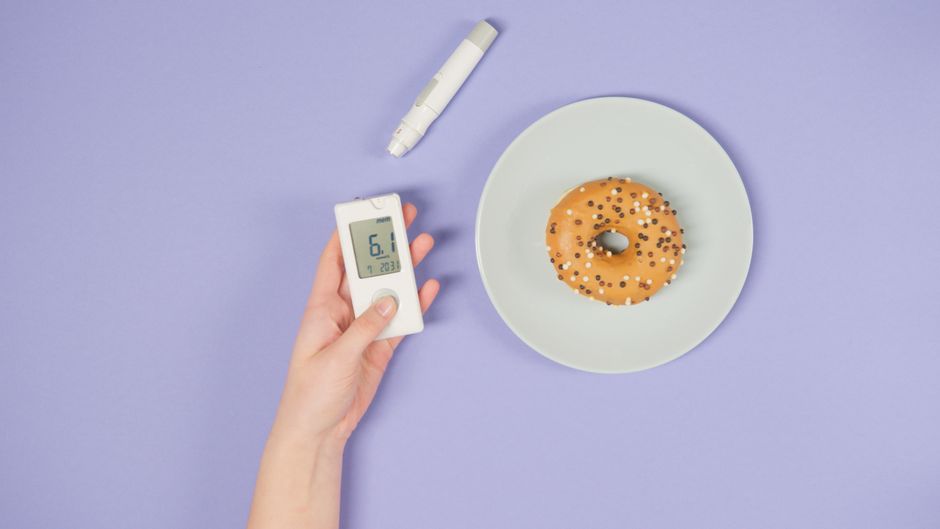
Have you ever woken up, checked your blood sugar before breakfast, and wondered why the number is higher than it was at bedtime—even though you didn’t eat anything overnight? You’re not imagining things, and you’re not alone.
This frustrating morning pattern is called the “dawn phenomenon,” and it’s common among people with diabetes. Understanding why it happens and what you can do about it can make a real difference in managing your blood sugar throughout the day.
What Exactly Is the Dawn Phenomenon?
The dawn phenomenon (also called the “dawn effect”) is a natural rise in blood sugar that happens in the early morning hours, often between about 3 a.m. and 8 a.m. It’s caused by hormones your body releases before you wake up, which signal your liver to put more glucose into your bloodstream.
In people without diabetes, the body responds by releasing more insulin, so blood sugar stays in a normal range. In people with diabetes or insulin resistance, the body either doesn’t make enough insulin or can’t use it effectively, so morning readings can end up higher than expected.
According to the CDC, more than 38 million Americans have diabetes, and many more have prediabetes. For many of them, keeping fasting blood sugar in range is one of the trickier parts of daily diabetes management.
Why Does This Happen?
Your body runs on a roughly 24-hour internal clock called the circadian rhythm. In the early morning hours, it gets ready for the day by releasing several hormones, including:
Cortisol (often called the “stress hormone”): Levels naturally rise in the early morning to help you wake up and feel alert.
Growth hormone: Released during sleep and involved in tissue repair and metabolism.
Glucagon and epinephrine (adrenaline): These hormones can signal your liver to release stored glucose for energy.
Together, these hormones prompt your liver to break down stored glycogen and release glucose into your bloodstream. In people without diabetes, this is a normal process that helps fuel the start of the day, even before breakfast.
With diabetes or insulin resistance, the body can’t move that extra glucose from the bloodstream into cells as efficiently, so it stays in the blood and shows up as a higher morning reading.
Dawn Phenomenon vs. Somogyi Effect: What’s the Difference?
Before going further, it helps to know about another possible explanation for high morning blood sugar: the Somogyi effect (sometimes called “rebound hyperglycemia”).
The dawn phenomenon: Blood sugar rises because of normal early-morning hormone release, not because of something you ate the night before.
The Somogyi effect: The theory is that blood sugar drops too low during the night, the body responds by releasing hormones that raise blood sugar, and the result is a high reading in the morning. Studies using continuous glucose monitors suggest this pattern is less common than once believed, but nighttime lows are still important to rule out—especially for people who take insulin or certain other diabetes medications.
Because the two patterns may call for different changes to your treatment plan, your healthcare provider may ask you to check your blood sugar in the middle of the night (for example, around 2 or 3 a.m.) for a few nights, or to wear a CGM, to see what’s actually happening.
| Dawn Phenomenon | Somogyi Effect | |
|---|---|---|
| What causes it | Normal early-morning hormone release | A rebound after blood sugar drops too low overnight |
| Overnight pattern | Steady through the night, then rises toward morning | Dips low during the night, then rises by morning |
| How common | Common in people with diabetes | Thought to be less common than once believed |
| How to tell | Middle-of-the-night reading is not low | Middle-of-the-night reading is low |
| Next step | Share your overnight readings or CGM data with your healthcare provider before changing any treatment. | |
Summary of the information in this article. Talk to your healthcare provider about your own readings.
Who Is Most Affected?
While anyone with diabetes can experience the dawn phenomenon, it’s often seen in:
- People with Type 1 diabetes
- People with Type 2 diabetes
- Individuals with prediabetes
- Those using insulin therapy
The size of the morning rise varies from person to person and can change from day to day, so it’s worth tracking your own pattern rather than comparing your numbers to someone else’s.
Some people without diabetes have a small early-morning rise as well, but their bodies usually respond with enough insulin to keep blood sugar in a normal range.
How to Know If You’re Experiencing the Dawn Phenomenon
The most straightforward way to spot the dawn phenomenon is by tracking your blood sugar. Here’s what to look for:
Check your blood sugar at bedtime and again when you wake up. If your morning reading is consistently higher than your bedtime reading and you haven’t eaten overnight, the dawn phenomenon may be one explanation.
Look at overnight levels if you can. A continuous glucose monitor (CGM) can show when your blood sugar starts rising during the night—and whether it dipped low first.
Keep a log for at least a week. Patterns are much easier to see with several days of data.
Several FDA-cleared CGM devices are now available, which can make overnight tracking easier than repeated finger sticks.
The Impact on Your Overall Health
Consistently high morning blood sugar levels aren’t just frustrating—they can affect your overall diabetes management and health.
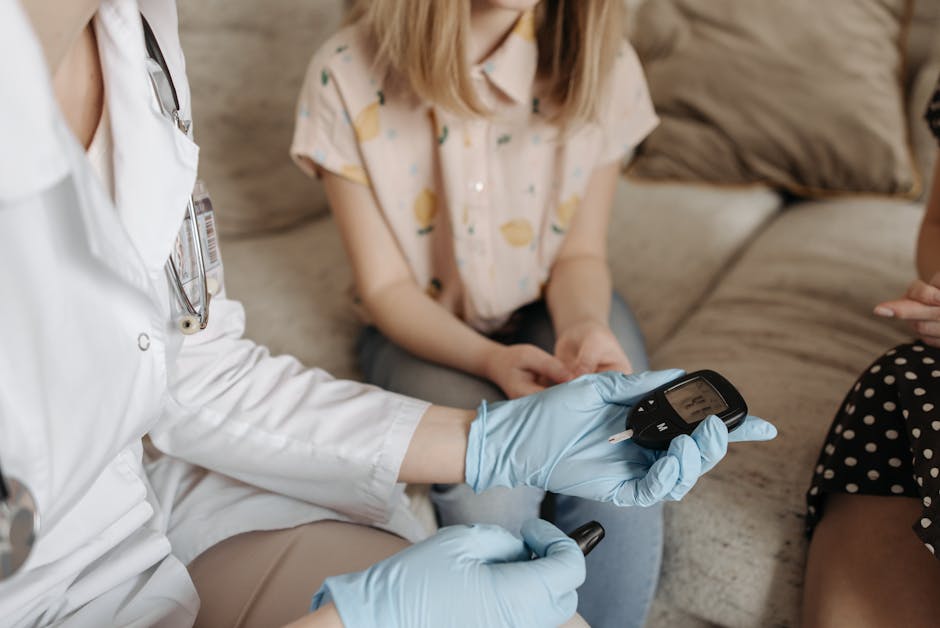
Higher A1C levels: Your A1C test measures your average blood sugar over the past 2-3 months. If your mornings start high, this can significantly impact your overall average, even if you manage your levels well throughout the rest of the day.
Increased diabetes complications risk: The CDC warns that consistently elevated blood sugar increases your risk of diabetes-related complications, including heart disease, kidney disease, nerve damage, and vision problems.
Difficult daytime control: Starting your day with high blood sugar can make it harder to manage your levels throughout the day, creating a frustrating cycle.
Practical Strategies to Manage Morning Blood Sugar
The good news is that there are several strategies that may help with high morning blood sugar. Not every approach works for everyone, so you and your healthcare team may need to try different combinations to find what works for you.
1. Adjust Your Medication Timing
Talk to your healthcare provider before changing when or how you take any diabetes medication. Depending on your treatment plan, your provider might consider options such as:
Changing the timing of an oral medication: For some people on metformin or other oral medications, a provider may suggest taking a dose in the evening rather than the morning.
Adjusting insulin timing or type: If you use long-acting insulin such as Lantus, Basaglar, or Tresiba, your provider may review whether a different time of day or a different type would give better overnight coverage. Some people use an insulin pump that can be set to deliver more insulin in the early morning hours.
Don’t change the dose, timing, or type of any medication—or stop taking it—on your own. Changes like these should always be made with your healthcare provider.
2. Eat a Smart Dinner
What and when you eat in the evening can affect your morning numbers.
Eat dinner a little earlier: Finishing dinner earlier in the evening, when your schedule allows, gives your body more time to process the meal before the early-morning hormone rise.
Choose slower-digesting foods: Non-starchy vegetables, lean proteins, and high-fiber foods tend to raise blood sugar more gradually. Think grilled chicken with broccoli and quinoa instead of a large plate of pasta with breadsticks.
Watch evening carbs: Dinner is often the most carb-heavy meal of the day. Consider smaller carbohydrate portions, or complex carbs like brown rice, sweet potatoes, or whole grain bread in place of white rice or regular pasta.
Rethink the late-night snack: A bowl of sugary cereal or a handful of crackers right before bed can make overnight blood sugar patterns harder to read. (See strategy #6 for snack options some people find helpful.)
3. Get Moving in the Evening
Physical activity can help your body use insulin more effectively, and the effect can last for hours afterward.
Walk after dinner: A 15- to 30-minute walk after your evening meal can help lower blood sugar after eating and may help with morning readings. If the weather isn’t cooperating, an indoor mall or large store works too.
Light activity in the evening: Gentle yoga, stretching, or light strength exercises in the evening may also help. Some people find that hard exercise close to bedtime makes it harder to fall asleep, so save intense workouts for earlier in the day if that’s true for you.
If you take insulin or medications that can cause low blood sugar, ask your provider how evening exercise might affect your overnight levels.
The CDC recommends that adults get at least 150 minutes of moderate-intensity physical activity per week.
4. Optimize Your Sleep
Poor sleep and untreated sleep disorders can make insulin resistance and blood sugar control worse.
Keep a consistent schedule: Go to bed and wake up at roughly the same times each day, including weekends.
Set up your bedroom for sleep: Keep it cool, dark, and quiet, and consider charging your phone outside the bedroom.
Ask about sleep apnea: Sleep apnea is more common in people with type 2 diabetes and can make blood sugar harder to manage. If you snore loudly, wake up gasping, or feel tired despite a full night in bed, talk to your doctor about testing.
5. Consider Your Breakfast Timing and Content
What and when you eat for breakfast can also affect your blood sugar for the rest of the morning.
Don’t skip breakfast without talking to your doctor: For some people, skipping breakfast leads to higher blood sugar later in the day, while others do fine with a later first meal. Your doctor can help you decide what’s right for you.
Choose a protein-rich breakfast: Eggs, Greek yogurt, cottage cheese, or a protein shake may help keep blood sugar steadier than carb-heavy options like pancakes, muffins, or sweetened cereals.
Time it right: Some people find that eating breakfast soon after waking helps bring their morning numbers down.
Breakfast options that work well for many people include:
– Scrambled eggs with vegetables and whole grain toast
– Greek yogurt with berries and nuts
– Oatmeal (steel-cut or old-fashioned, not instant) with protein powder mixed in
– Vegetable omelet with avocado
6. Try an Evening Snack (the Right Kind)
This may sound like it contradicts the earlier advice, but some people with the dawn phenomenon find that a small, well-chosen bedtime snack helps their morning numbers. Research on this is limited, and it doesn’t work for everyone.
If you want to try it, choose carefully: A small snack with protein and healthy fat—and few carbohydrates—is the usual approach.
Options some people use include:
– A small handful of almonds or walnuts (about 1 ounce)
– Celery or cucumber with 2 tablespoons of natural peanut or almond butter
– A small piece of cheese
– A hard-boiled egg
Check your numbers: Compare your morning readings on nights with and without the snack, and talk with your healthcare provider before making it a habit—especially if you take insulin or other medications that can cause low blood sugar.
7. Monitor and Adjust
Use a blood glucose meter or CGM to track how different strategies affect your morning levels.
Keep detailed records: Note what you ate, when you exercised, when you took medications, and your stress levels alongside your blood sugar readings.
Look for patterns: After a couple of weeks, you should start seeing which approaches work best for your body.
Share your data with your healthcare team: Bring your logs to appointments. Many meters and CGMs connect to apps that can create reports for your doctor, which makes it easier to adjust your plan together.
When to Talk to Your Doctor
You should contact your healthcare provider if:
- Your morning blood sugar is consistently above your target range (for many adults, the ADA suggests a fasting target of 80–130 mg/dL)
- You suspect nighttime low blood sugar (for example, night sweats, nightmares, or waking up with a headache)
- Home management strategies aren’t improving your morning levels
- You have symptoms of high blood sugar, such as excessive thirst, frequent urination, or unexplained fatigue
Your doctor may recommend:
– Adjusting your medication regimen
– Changing the type or timing of insulin
– Adding or switching diabetes medications
– Using a CGM to better understand your patterns
– Referral to an endocrinologist (diabetes specialist)
| Measure | General target for many adults with diabetes |
|---|---|
| Fasting / before-meal blood sugar | 80–130 mg/dL |
| 1–2 hours after starting a meal | Less than 180 mg/dL |
| A1C | Less than 7% |
Source: American Diabetes Association, Standards of Care in Diabetes. Your personal targets may be different—ask your healthcare provider what’s right for you.
Advanced Treatment Options
For people who don’t respond well to lifestyle modifications and standard medication adjustments, there are additional options available in the United States.
Insulin pumps: Devices like the Medtronic MiniMed, Tandem t:slim, or Omnipod can be programmed to deliver different insulin rates throughout the night, increasing delivery in the early morning hours to counteract the dawn phenomenon.
Closed-loop systems: Newer “artificial pancreas” systems approved by the FDA combine a CGM with an insulin pump to automatically adjust insulin delivery based on blood sugar readings, including during sleep.
Different insulin formulations: Ultra-long-acting insulins like Tresiba (insulin degludec) or switching between basal insulin types may provide better overnight coverage for some people.
Medication combinations: Your doctor might suggest adding medications like SGLT2 inhibitors or GLP-1 receptor agonists to your regimen, which can improve overall blood sugar control and may help with morning levels.
The Bottom Line
The dawn phenomenon is common, frustrating, and manageable. It’s driven by a natural hormonal process—not by something you did wrong.
Addressing high morning blood sugar usually takes a combination of approaches: reviewing medications with your provider, adjusting meal timing and food choices, staying active, and getting good sleep.
What works for a friend, a family member, or someone online may not work the same way for you. Diabetes management is highly individual, and finding the right approach often takes some trial and error.
Today’s monitoring tools and treatment options give you and your healthcare team more ways to understand and manage morning highs. Stay consistent with tracking, keep your provider in the loop, and don’t get discouraged if it takes time to find what works.
Your morning numbers don’t define you—they’re information that helps you and your healthcare team make better decisions about your care.
Disclaimer: This article is for informational purposes only and doesn’t replace professional medical advice. Always consult with your healthcare provider before making changes to your diabetes management plan.
Leave a Reply