How Stress Raises Blood Sugar
The Cortisol-Glucose Connection and Practical Ways to Break the Cycle
If you’ve been watching your diet and staying active but still seeing higher-than-expected blood sugar readings, stress might be one of the hidden factors. The connection between stress and blood sugar is more significant than many people realize, and understanding it could be a missing piece in your health puzzle.
According to the CDC, an estimated 40.1 million people in the United States had diabetes in 2023, and about 115.2 million American adults have prediabetes. While we often focus on diet and exercise, chronic stress can also play a role in blood sugar regulation. Let’s explore how stress may affect your glucose levels and what you can do about it.
Understanding the Stress-Blood Sugar Connection
When you experience stress—whether it’s a work deadline, traffic jam, or family conflict—your body launches into “fight or flight” mode. This ancient survival mechanism triggers the release of stress hormones, primarily cortisol and adrenaline.
These hormones signal your liver to release stored glucose into your bloodstream. In our ancestors, this provided quick energy to outrun predators or fight threats. But in modern America, where most stressors don’t require physical action, this extra glucose has nowhere to go.
The Cortisol Factor
Cortisol is often called the “stress hormone,” and for good reason. When cortisol levels rise, several things can happen in your body, although responses vary from person to person:
Increased glucose production: Cortisol stimulates your liver to make more glucose through a process called gluconeogenesis. This can raise blood sugar levels even if you haven’t eaten anything.
Reduced insulin sensitivity: Research suggests that chronic stress may reduce your cells’ ability to respond to insulin. This means glucose can stay in your bloodstream longer instead of entering cells where it’s needed.
Increased appetite and cravings: For many people, high cortisol levels can trigger cravings for comfort foods—particularly those high in sugar and fat. Think late-night ice cream runs or reaching for donuts during stressful meetings.
The Vicious Cycle: Stress, Blood Sugar, and More Stress
For some people, blood sugar swings and stress can feed each other, creating a harmful cycle.
When blood sugar rises and falls sharply during the day, some people notice mood changes, fatigue, or irritability, which can make stress feel worse. Stress hormones may then push blood sugar higher, and the cycle continues.
Common daily habits can fuel this cycle. Starting the day with a high-sugar breakfast (like sweetened cereal or a pastry), skipping lunch during a busy workday, then coming home exhausted and stressed can set the stage for bigger blood sugar swings.
How Chronic Stress Differs from Acute Stress
Not all stress affects your blood sugar the same way. Acute stress—like slamming on your brakes to avoid an accident—causes a temporary spike that usually resolves quickly once the stressor passes.
Chronic stress is the real problem. This is the ongoing stress from job pressure, financial worries, relationship issues, or the constant connectivity of modern American life. According to the American Psychological Association’s annual Stress in America survey, money and work consistently rank as top stressors for U.S. adults.
When stress becomes chronic, cortisol levels may stay elevated for longer periods. Over time, this may worsen insulin resistance, and research has linked chronic stress to a higher risk of type 2 diabetes, although stress alone is not considered a direct cause.
Warning Signs Your Stress Is Affecting Your Blood Sugar
How do you know if stress is impacting your glucose levels? Watch for these signs:
Unexplained blood sugar fluctuations: Your readings are inconsistent despite following your usual diet and exercise routine. You might see higher fasting glucose readings after particularly stressful days or weeks.
Increased cravings: You find yourself reaching for sugary snacks or comfort foods more frequently, especially during stressful periods. The mid-afternoon vending machine visit becomes a daily habit.
Physical symptoms: You’re experiencing headaches, fatigue, difficulty concentrating, or feeling “wired but tired.” These can indicate both stress and blood sugar imbalances.
Sleep disruption: Stress affects sleep quality, and poor sleep further disrupts blood sugar regulation—another vicious cycle. Many Americans report lying awake worrying about work, finances, or other concerns.
Practical Ways to Break the Stress-Blood Sugar Cycle
The good news is that you can take concrete steps to manage stress and improve blood sugar control. These strategies are backed by research and practical for American lifestyles.
1. Master Stress-Reduction Techniques
Practice deep breathing exercises: A few minutes of slow, deep breathing may help calm your body’s stress response. One popular method is the 4-7-8 technique: breathe in for 4 counts, hold for 7, and exhale for 8. You can do this at your desk, in your car before heading into work, or before bed.
Try meditation or mindfulness: Apps like Headspace, Calm, or Insight Timer make meditation accessible for beginners. Research reviewed by the NIH suggests meditation may help reduce stress and anxiety, and even short daily sessions may be worth trying.
Engage in progressive muscle relaxation: This involves tensing and relaxing different muscle groups. It’s particularly helpful for people who carry stress physically in their shoulders, neck, or jaw.
2. Prioritize Quality Sleep
The CDC recommends at least 7 hours of sleep a night for adults, but about one-third of American adults don’t get enough. Poor sleep may raise cortisol levels and impair glucose metabolism.
Establish a consistent sleep schedule: Go to bed and wake up at the same time, even on weekends. This helps regulate your body’s internal clock and hormone production.
Create a relaxing bedtime routine: Dim the lights an hour before bed, avoid screens (blue light can suppress melatonin), and try reading or gentle stretching. Many people sleep better in a cool room, around 65-68°F, but find the temperature that feels comfortable for you.
Limit caffeine in the afternoon: Caffeine’s effects can last for several hours, so an afternoon coffee may affect your sleep that night. Switch to herbal tea or decaf if you want an afternoon drink.
3. Move Your Body Regularly
Exercise is one of the most effective ways to reduce stress and help regulate blood sugar. The good news? You don’t need a gym membership or expensive equipment.
Aim for 150 minutes weekly: The American Diabetes Association recommends at least 150 minutes of moderate-intensity activity per week. This breaks down to just 30 minutes, five days a week.
Take walking breaks: Even a 10-minute walk, especially after a meal, may help lower blood sugar and ease stress. Park farther from the store entrance, take the stairs, or walk around the block during lunch breaks.
Try stress-reducing exercises: Yoga, tai chi, and qigong combine movement with mindfulness. Many community centers, libraries, and parks departments across the U.S. offer free or low-cost classes.
Don’t forget strength training: Building muscle improves insulin sensitivity. You can start with bodyweight exercises at home—no gym required.
4. Eat to Stabilize Blood Sugar and Combat Stress
Your diet plays a dual role in managing both stress and glucose levels. Focus on foods that provide steady energy without spikes and crashes.
Choose complex carbohydrates: Swap white bread for whole grain, opt for brown rice instead of white, and choose oatmeal over sugary cereals. These provide sustained energy and include fiber that slows glucose absorption.
Include quality protein: Eggs, Greek yogurt, nuts, lean meats, beans, and fish help stabilize blood sugar and keep you full longer. They prevent the blood sugar rollercoaster that can worsen stress.
Don’t skip meals: Many busy Americans skip breakfast or work through lunch, but this can lead to blood sugar crashes and increased cortisol. Even a small, balanced meal is better than nothing.
Limit added sugars: The American Heart Association recommends no more than 25 grams (6 teaspoons) of added sugar daily for women and 36 grams (9 teaspoons) for men. Check labels—sugar hides in unexpected places like pasta sauce, bread, and salad dressings.
Stay hydrated: Drinking water regularly supports overall health, and dehydration can make blood sugar readings run higher. Fluid needs vary with activity, climate, and health conditions, so if you have kidney or heart disease, follow your healthcare team’s guidance.
Consider magnesium-rich foods: Magnesium plays a role in blood sugar regulation, and many Americans don’t get enough of it. Include spinach, almonds, black beans, and avocados in your diet.
5. Build a Support Network
Social connection is a powerful stress buffer that many Americans overlook in our increasingly isolated society.
Stay connected: Regular contact with friends and family helps buffer stress. This can be as simple as a weekly phone call with a friend or family dinner nights.
Join support groups: Whether online or in-person, connecting with others facing similar challenges reduces stress and provides practical tips. The American Diabetes Association offers community support resources nationwide.
Don’t hesitate to seek professional help: If stress feels overwhelming, talking to a therapist or counselor isn’t a sign of weakness—it’s a smart health decision. Many employers offer Employee Assistance Programs (EAPs) with free confidential counseling.
6. Set Boundaries and Manage Your Time
Much of American stress comes from overcommitment and the “always-on” culture enabled by smartphones and remote work.
Learn to say no: You don’t have to accept every request or invitation. Protecting your time and energy is essential for stress management.
Limit news and social media: Constant exposure to negative news and social media comparisons increases stress. Set specific times to check these rather than scrolling throughout the day.
Practice time-blocking: Schedule breaks, meals, and relaxation time just as you would meetings. This ensures self-care doesn’t get pushed aside.
Disconnect from work: If you work from home or have a smartphone with work email, set clear boundaries. Consider having separate work and personal phones, or use apps that block work notifications after hours.
7. Monitor and Track Your Patterns
Awareness is the first step to change. Keeping track helps you identify your personal stress-blood sugar patterns.
Consider a continuous glucose monitor (CGM): These devices show real-time blood sugar responses. Some CGMs are now available over the counter for adults who don’t use insulin, while others require a prescription, so ask your doctor which option fits you. You might discover that your Monday morning meetings or Sunday family dinners consistently spike your glucose.
Keep a stress journal: Note stressful events and how you felt physically. Over time, patterns emerge that help you predict and prevent problematic situations.
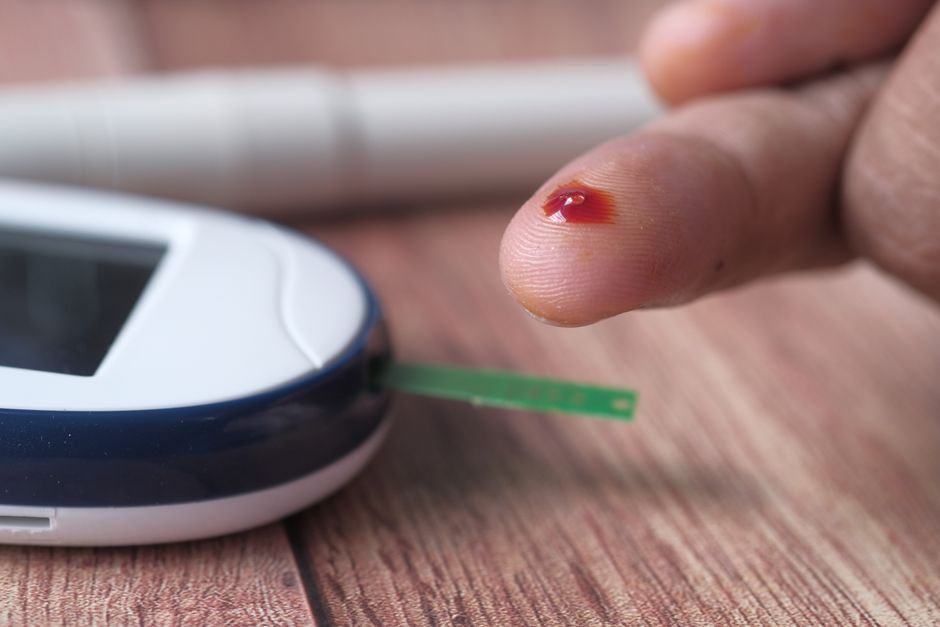
Track alongside glucose readings: Recording stress levels when you check blood sugar helps identify correlations. Many glucose tracking apps now include fields for stress, sleep, and mood.
8. Consider Natural Supplements (With Your Doctor’s Approval)
Some supplements have been studied for stress or blood sugar, but the evidence is limited, and some can interact with diabetes medications. Always consult your healthcare provider before starting any new supplement.
Adaptogenic herbs: Ashwagandha, rhodiola, and holy basil are traditional herbs that have been studied for stress. Some small studies suggest they may help, but the evidence is limited, and ashwagandha has been linked to rare cases of liver injury. Talk to your doctor before trying them.
Omega-3 fatty acids: Found in fatty fish like salmon and in fish oil supplements, omega-3s support heart health. Their effect on stress and blood sugar is less clear.
Vitamin D: Low vitamin D levels are common, and researchers are studying its links to mood and blood sugar, but supplements haven’t been shown to reliably improve either. Your doctor can test your levels and tell you whether you need a supplement.
B-complex vitamins: These support nervous system health and energy metabolism. If you take metformin, ask your doctor about checking your vitamin B12 levels.
When to See a Healthcare Provider
While self-management strategies are important, certain situations require professional medical attention.
Seek help if you experience:
- Consistently elevated blood sugar readings despite lifestyle changes
- Symptoms of diabetes (excessive thirst, frequent urination, unexplained weight loss, blurred vision)
- Severe anxiety or depression that interferes with daily life
- Physical symptoms like chest pain, severe headaches, or dizziness
- Difficulty managing stress on your own
Your primary care physician can order tests such as fasting glucose and HbA1c (which shows average blood sugar over 2-3 months). Cortisol testing isn’t part of routine blood sugar care, but your doctor may order it if they suspect a hormone-related condition. They can also refer you to specialists like endocrinologists or mental health professionals if needed.
The American Lifestyle Challenge
Let’s be honest: American culture often works against stress management and healthy blood sugar control. We glorify busy schedules, eat on the run, skimp on sleep, and stay constantly connected to stressful news and work demands.
Many Americans spend hours a day looking at screens and eat far more added sugar than recommended. Large portion sizes, long work hours, and even dealing with the healthcare system can add to daily stress.
But awareness of these cultural factors empowers you to make different choices. You don’t have to follow every cultural norm that undermines your health.
Creating Your Personal Action Plan
Breaking the stress-blood sugar cycle requires a personalized approach. Here’s how to create a plan that works for your life:
Start small: Don’t try to overhaul everything at once. Pick 1-2 strategies that seem most doable and build from there. Maybe you start with a 10-minute evening walk and cutting out sugary drinks.
Track your progress: Use a simple notebook, smartphone app, or spreadsheet to record your stress levels, blood sugar readings, sleep quality, and how you feel. This data helps you see what’s working.
Be patient: It takes time for cortisol levels to normalize and insulin sensitivity to improve. Give new habits at least 2-3 weeks before evaluating their effectiveness.
Adjust as needed: What works during one season of life might not work during another. Remain flexible and willing to try different approaches.
Celebrate wins: Acknowledge improvements, even small ones. Maybe your fasting glucose dropped 5 points, or you managed stress without reaching for cookies. These victories matter.
The Bottom Line
The connection between stress and blood sugar is real and often overlooked in diabetes prevention and management. Chronic stress can raise cortisol, which may increase blood glucose and reduce insulin sensitivity.
The good news is that this connection works both ways. Managing stress through exercise, sleep, mindfulness, balanced nutrition, and social connection may help improve blood sugar control alongside the treatment plan you follow with your healthcare team.
For the millions of Americans with diabetes, prediabetes, or concerns about metabolic health, addressing stress is an important part of the bigger picture. The strategies outlined here are accessible and adaptable to real American lifestyles.
You don’t need to move to a mountain retreat or quit your job (though sometimes that fantasy is tempting!). Small, consistent changes in how you handle daily stress can support better blood sugar and overall health.
Remember, you’re not just managing numbers on a glucose meter—you’re investing in your long-term health, energy, and quality of life. That’s worth the effort.
Disclaimer: This article is for informational purposes only and doesn’t constitute medical advice. Always consult with your healthcare provider before making significant changes to your diet, exercise routine, or taking supplements, especially if you have diabetes or other health conditions.
Leave a Reply