Blog

  • Plantar fasciitis (1/5)

    Night Splints and Foot Stretches
    Low-Cost Ways to Ease Plantar Fasciitis Heel Pain at Home

    Doctor examining a foot x-ray on a tablet

    That sharp, stabbing pain in your heel when you first step out of bed in the morning is a common sign of plantar fasciitis. The good news is that two simple, low-cost approaches—night splints and targeted stretching—can help many people find relief without expensive treatments or invasive procedures.

    This is Part 1 of our five-part series on plantar fasciitis. Here, we’ll focus on stretching and positioning techniques you can do at home with little or no equipment.

    Understanding Why Morning Heel Pain Happens

    The plantar fascia is a thick band of tissue that runs along the bottom of your foot, connecting your heel bone to your toes. When this tissue becomes inflamed or irritated, it causes plantar fasciitis.

    During the night while you sleep, your foot naturally relaxes into a pointed position. This allows the plantar fascia to tighten and shorten. When you stand up and put weight on your foot in the morning, that tight tissue suddenly stretches, causing sharp pain.

    This is where night splints and regular stretching come in. Both approaches work to keep the plantar fascia gently stretched, which research suggests can reduce morning pain and help the tissue heal over time.

    What Night Splints Are and How They Work

    A night splint is a device worn on your foot and lower leg while you sleep. It holds your foot in a gentle upward position, keeping your toes pointed toward your shin rather than downward. This maintains a mild stretch in your plantar fascia and calf muscles throughout the night.

    Night splints typically come in two styles. The first is a boot-style splint that covers the foot and extends up the calf, usually with adjustable straps. The second is a dorsiflexion splint, which is lighter and holds the foot in position with a wedge or tension strap.

    Night splints available at pharmacies or medical supply stores are designed to be worn for several hours during sleep. The gentle, sustained stretch they provide can help prevent the plantar fascia from tightening overnight, which may reduce that first-step morning pain.

    When to Ask Your Doctor or Physical Therapist About Night Splints

    Night splints are not right for everyone, and it’s important to get professional guidance before using one. Schedule a conversation with your doctor or physical therapist if you’re considering a night splint, especially if you have circulation problems, diabetes-related nerve damage in your feet, or any condition that affects sensation in your legs.

    A physical therapist can show you how to adjust the splint properly and ensure it’s holding your foot at the right angle. Too much stretch can cause discomfort and prevent sleep, while too little won’t be effective. Healthcare providers may suggest starting with the splint set at a comfortable angle and gradually increasing the stretch over several nights.

    Some people find night splints uncomfortable at first, which can interfere with sleep. Your physical therapist or doctor can help you decide whether to try a lighter-weight design, adjust the fit, or consider other options if the splint isn’t working well for you.

    Evidence-Based Foot and Calf Stretches for Plantar Fasciitis

    Stretching exercises are among the approaches often studied for managing plantar fasciitis. Research suggests that regular, gentle stretching of the plantar fascia and calf muscles can help reduce pain and improve function over time. Results vary from person to person, and stretching works best when done consistently.

    Towel Stretch (Morning Stretch Before Standing)

    This stretch is designed to gently lengthen the plantar fascia before you put weight on your foot in the morning.

    How to do it: Before getting out of bed, keep a towel or belt within reach on your nightstand. Sit up in bed with your legs extended in front of you. Loop the towel around the ball of one foot, holding both ends. Keeping your knee straight, gently pull the towel toward you until you feel a stretch along the bottom of your foot and up your calf. Hold this position for twenty to thirty seconds without bouncing. Repeat on the other foot.

    Do this stretch before taking your first steps in the morning. The goal is to wake up the plantar fascia gradually rather than forcing it to stretch suddenly when you stand.

    Standing Calf Stretch (Wall Stretch)

    Tight calf muscles can pull on the heel and increase stress on the plantar fascia. This stretch targets both the upper calf muscle and the deeper muscle that connects to the heel.

    How to do it: Stand facing a wall, about arm’s length away. Place your hands flat against the wall at shoulder height. Step one foot back, keeping that leg straight and both heels flat on the floor. Your front knee will bend slightly. Lean forward into the wall until you feel a stretch in the calf of your back leg. Hold for twenty to thirty seconds without bouncing.

    Next, bend the back knee slightly while keeping your heel on the ground. You should feel the stretch move lower in your calf, closer to your heel. Hold for another twenty to thirty seconds.

    Switch legs and repeat. Perform this stretch two to three times on each leg.

    Plantar Fascia Stretch (Seated Toe Stretch)

    This stretch directly targets the band of tissue on the bottom of your foot.

    How to do it: Sit in a chair with one foot resting on the opposite knee. Using your hand, gently pull your toes back toward your shin until you feel a stretch along the arch of your foot. You can use your other hand to massage the arch gently while holding the stretch, though detailed massage techniques are covered in Part 5 of this series.

    Hold the stretch for twenty to thirty seconds. Repeat three times, then switch to the other foot.

    This stretch can be done several times throughout the day, especially before standing after you’ve been sitting for a while.

    Stair Stretch (Heel Drop)

    This stretch uses a step or curb to provide a deeper calf and plantar fascia stretch.

    How to do it: Stand on a step with the balls of your feet on the edge and your heels hanging off. Hold onto a railing or wall for balance. Slowly lower your heels below the level of the step until you feel a gentle stretch in your calves and the arches of your feet. Hold for twenty to thirty seconds, then rise back up.

    Start with both feet together. As the stretch becomes easier, you can try doing it one leg at a time for a deeper stretch.

    Be very careful with balance during this exercise. If you feel unsteady, skip this stretch and stick with the wall stretch instead.

    Proper Timing and Frequency for Stretching Routines
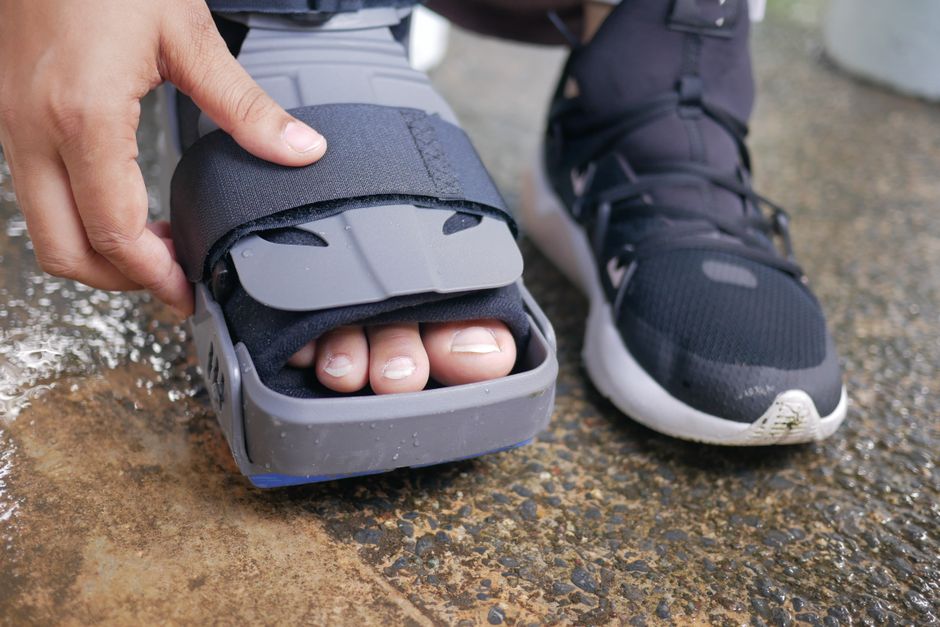
    Close-up of a foot in an orthopedic brace

    Consistency matters more than intensity when it comes to stretching for plantar fasciitis. Research suggests that regular, gentle stretching over weeks and months tends to be more helpful than aggressive stretching done occasionally.

    Physical therapists often recommend stretching at least two to three times daily. The most important times are first thing in the morning before standing, and after any period of prolonged sitting or rest.

    Each stretching session doesn’t need to be long. Five to ten minutes of focused stretching is often enough if done regularly. Some people find it helpful to tie their stretching routine to daily activities, such as stretching while the coffee brews in the morning or during television commercials in the evening.

    You should feel a gentle pull or mild tension during these stretches, but not sharp pain. If a stretch causes significant discomfort, reduce the intensity or duration. The goal is to gradually increase flexibility over time, not to force immediate change.

    Some people notice improvement within a few weeks of regular stretching, though significant relief may take several months. If you haven’t noticed any change after six to eight weeks of consistent stretching, talk with your doctor or physical therapist about whether adjustments to your technique or additional approaches might help.

    Safety Considerations and When Stretching May Not Be Appropriate

    While stretching is generally safe for people with plantar fasciitis, certain situations require extra caution or medical guidance.

    Check with your doctor before starting a stretching routine if you have diabetes, peripheral artery disease, or any condition that affects circulation or sensation in your feet. These conditions can increase the risk of injury during stretching if you can’t fully feel what you’re doing.

    If you have severe osteoporosis or a history of Achilles tendon problems, ask your physical therapist to show you modified versions of these stretches that put less stress on vulnerable areas.

    People who take certain medications that affect balance or coordination should be especially careful with standing stretches. Hold onto stable supports and consider doing more seated stretches instead.

    Stop stretching and contact your doctor if you experience:

    • Sharp, sudden pain during a stretch
    • Increased swelling, redness, or warmth in your foot or ankle
    • Numbness or tingling that doesn’t go away after stretching
    • Pain that gets significantly worse rather than better after several weeks of regular stretching

    Call 911 if you develop:

    • Sudden, severe pain in your calf along with swelling (possible blood clot)
    • Chest pain or difficulty breathing
    • Signs of a severe allergic reaction if using any new products or materials

    Stretching should not be used as a substitute for medical evaluation. If you haven’t already been diagnosed with plantar fasciitis by a healthcare provider, schedule an appointment before assuming that heel pain is plantar fasciitis. Other conditions, including stress fractures, nerve problems, and arthritis, can cause similar symptoms but require different treatment.

    Stretch When to Do It What It Targets
    Towel Stretch Before getting out of bed in the morning Plantar fascia and calf
    Standing Calf Stretch (Wall Stretch) 2-3 times daily Calf muscles that pull on the heel
    Plantar Fascia Stretch (Seated Toe Stretch) Throughout the day, before standing after sitting Tissue band on bottom of foot
    Stair Stretch (Heel Drop) Daily (if balance is good) Calves and arches of feet

    Making Stretching and Night Splints Part of Your Routine

    The key to success with these low-cost approaches is making them a consistent part of your daily routine. Some people find that the hardest part isn’t doing the stretches themselves but remembering to do them regularly.

    Consider setting phone reminders for morning and evening stretching sessions until the habit becomes automatic. Keep the towel or belt you use for morning stretches right by your bed so it’s within easy reach.

    If you decide to try a night splint, give yourself time to adjust. Some people need several nights to get used to sleeping with the device. Starting with just a few hours per night and gradually increasing the time can make the adjustment easier.

    Remember that these stretching and positioning techniques work best as part of a broader approach to managing plantar fasciitis. Part 2 of this series covers orthotics and arch supports, while Part 4 discusses ice and heat therapy—both of which can complement your stretching routine.

    The beauty of stretching and night splints is that they’re among the more affordable options for managing plantar fasciitis at home. Basic night splints are available at many pharmacies and medical supply stores, and the stretches themselves require no special equipment. While results vary from person to person, some people find that these simple approaches provide meaningful relief when done consistently over time.

    Talk with your doctor or physical therapist about whether these techniques are appropriate for your situation, and be patient with the process. Plantar fasciitis often develops over months, and healing takes time too.


    Disclaimer: This article is for general information only and does not replace professional medical advice. Talk with your doctor or pharmacist before making changes to your health care, and call 911 in an emergency.
  • Diabetes (5/5)

    How Stress Raises Blood Sugar
    The Cortisol-Glucose Connection and Practical Ways to Break the Cycle

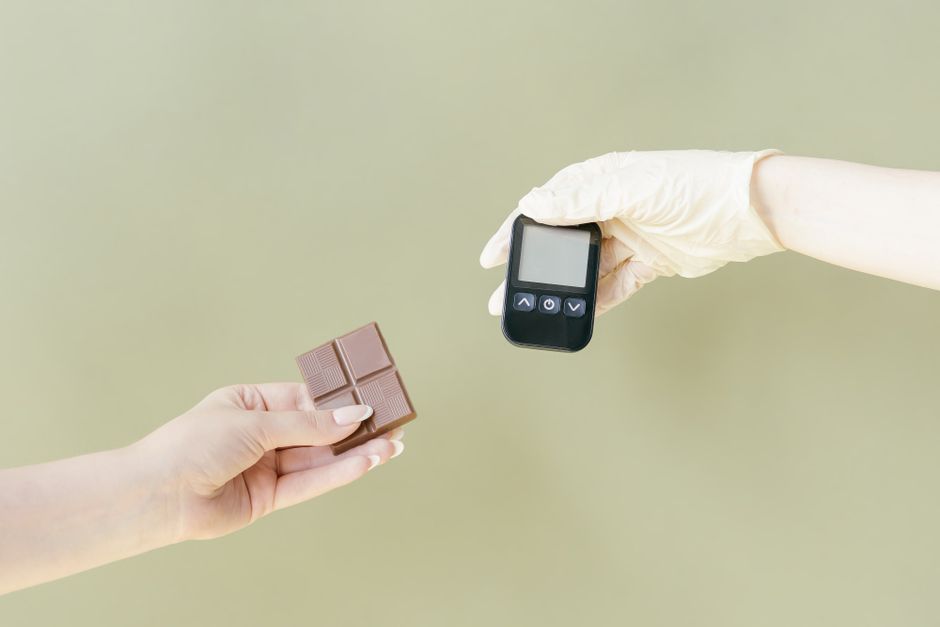
    One hand holding a blood glucose meter and another holding a chocolate bar

    If you’ve been watching your diet and staying active but still seeing higher-than-expected blood sugar readings, stress might be one of the hidden factors. The connection between stress and blood sugar is more significant than many people realize, and understanding it could be a missing piece in your health puzzle.

    According to the CDC, an estimated 40.1 million people in the United States had diabetes in 2023, and about 115.2 million American adults have prediabetes. While we often focus on diet and exercise, chronic stress can also play a role in blood sugar regulation. Let’s explore how stress may affect your glucose levels and what you can do about it.

    Understanding the Stress-Blood Sugar Connection

    When you experience stress—whether it’s a work deadline, traffic jam, or family conflict—your body launches into “fight or flight” mode. This ancient survival mechanism triggers the release of stress hormones, primarily cortisol and adrenaline.

    These hormones signal your liver to release stored glucose into your bloodstream. In our ancestors, this provided quick energy to outrun predators or fight threats. But in modern America, where most stressors don’t require physical action, this extra glucose has nowhere to go.

    The Cortisol Factor

    Cortisol is often called the “stress hormone,” and for good reason. When cortisol levels rise, several things can happen in your body, although responses vary from person to person:

    Increased glucose production: Cortisol stimulates your liver to make more glucose through a process called gluconeogenesis. This can raise blood sugar levels even if you haven’t eaten anything.

    Reduced insulin sensitivity: Research suggests that chronic stress may reduce your cells’ ability to respond to insulin. This means glucose can stay in your bloodstream longer instead of entering cells where it’s needed.

    Increased appetite and cravings: For many people, high cortisol levels can trigger cravings for comfort foods—particularly those high in sugar and fat. Think late-night ice cream runs or reaching for donuts during stressful meetings.

    The Vicious Cycle: Stress, Blood Sugar, and More Stress

    For some people, blood sugar swings and stress can feed each other, creating a harmful cycle.

    When blood sugar rises and falls sharply during the day, some people notice mood changes, fatigue, or irritability, which can make stress feel worse. Stress hormones may then push blood sugar higher, and the cycle continues.

    Common daily habits can fuel this cycle. Starting the day with a high-sugar breakfast (like sweetened cereal or a pastry), skipping lunch during a busy workday, then coming home exhausted and stressed can set the stage for bigger blood sugar swings.

    How Chronic Stress Differs from Acute Stress

    Not all stress affects your blood sugar the same way. Acute stress—like slamming on your brakes to avoid an accident—causes a temporary spike that usually resolves quickly once the stressor passes.

    Chronic stress is the real problem. This is the ongoing stress from job pressure, financial worries, relationship issues, or the constant connectivity of modern American life. According to the American Psychological Association’s annual Stress in America survey, money and work consistently rank as top stressors for U.S. adults.

    When stress becomes chronic, cortisol levels may stay elevated for longer periods. Over time, this may worsen insulin resistance, and research has linked chronic stress to a higher risk of type 2 diabetes, although stress alone is not considered a direct cause.

    Warning Signs Your Stress Is Affecting Your Blood Sugar

    How do you know if stress is impacting your glucose levels? Watch for these signs:

    Unexplained blood sugar fluctuations: Your readings are inconsistent despite following your usual diet and exercise routine. You might see higher fasting glucose readings after particularly stressful days or weeks.

    Increased cravings: You find yourself reaching for sugary snacks or comfort foods more frequently, especially during stressful periods. The mid-afternoon vending machine visit becomes a daily habit.

    Physical symptoms: You’re experiencing headaches, fatigue, difficulty concentrating, or feeling “wired but tired.” These can indicate both stress and blood sugar imbalances.

    Sleep disruption: Stress affects sleep quality, and poor sleep further disrupts blood sugar regulation—another vicious cycle. Many Americans report lying awake worrying about work, finances, or other concerns.

    Practical Ways to Break the Stress-Blood Sugar Cycle

    The good news is that you can take concrete steps to manage stress and improve blood sugar control. These strategies are backed by research and practical for American lifestyles.

    1. Master Stress-Reduction Techniques

    Practice deep breathing exercises: A few minutes of slow, deep breathing may help calm your body’s stress response. One popular method is the 4-7-8 technique: breathe in for 4 counts, hold for 7, and exhale for 8. You can do this at your desk, in your car before heading into work, or before bed.

    Try meditation or mindfulness: Apps like Headspace, Calm, or Insight Timer make meditation accessible for beginners. Research reviewed by the NIH suggests meditation may help reduce stress and anxiety, and even short daily sessions may be worth trying.

    Engage in progressive muscle relaxation: This involves tensing and relaxing different muscle groups. It’s particularly helpful for people who carry stress physically in their shoulders, neck, or jaw.

    2. Prioritize Quality Sleep

    The CDC recommends at least 7 hours of sleep a night for adults, but about one-third of American adults don’t get enough. Poor sleep may raise cortisol levels and impair glucose metabolism.

    Establish a consistent sleep schedule: Go to bed and wake up at the same time, even on weekends. This helps regulate your body’s internal clock and hormone production.

    Create a relaxing bedtime routine: Dim the lights an hour before bed, avoid screens (blue light can suppress melatonin), and try reading or gentle stretching. Many people sleep better in a cool room, around 65-68°F, but find the temperature that feels comfortable for you.

    Limit caffeine in the afternoon: Caffeine’s effects can last for several hours, so an afternoon coffee may affect your sleep that night. Switch to herbal tea or decaf if you want an afternoon drink.

    3. Move Your Body Regularly

    Exercise is one of the most effective ways to reduce stress and help regulate blood sugar. The good news? You don’t need a gym membership or expensive equipment.

    Aim for 150 minutes weekly: The American Diabetes Association recommends at least 150 minutes of moderate-intensity activity per week. This breaks down to just 30 minutes, five days a week.

    Take walking breaks: Even a 10-minute walk, especially after a meal, may help lower blood sugar and ease stress. Park farther from the store entrance, take the stairs, or walk around the block during lunch breaks.

    Try stress-reducing exercises: Yoga, tai chi, and qigong combine movement with mindfulness. Many community centers, libraries, and parks departments across the U.S. offer free or low-cost classes.

    Don’t forget strength training: Building muscle improves insulin sensitivity. You can start with bodyweight exercises at home—no gym required.

    4. Eat to Stabilize Blood Sugar and Combat Stress

    Your diet plays a dual role in managing both stress and glucose levels. Focus on foods that provide steady energy without spikes and crashes.

    Choose complex carbohydrates: Swap white bread for whole grain, opt for brown rice instead of white, and choose oatmeal over sugary cereals. These provide sustained energy and include fiber that slows glucose absorption.

    Include quality protein: Eggs, Greek yogurt, nuts, lean meats, beans, and fish help stabilize blood sugar and keep you full longer. They prevent the blood sugar rollercoaster that can worsen stress.

    Don’t skip meals: Many busy Americans skip breakfast or work through lunch, but this can lead to blood sugar crashes and increased cortisol. Even a small, balanced meal is better than nothing.

    Limit added sugars: The American Heart Association recommends no more than 25 grams (6 teaspoons) of added sugar daily for women and 36 grams (9 teaspoons) for men. Check labels—sugar hides in unexpected places like pasta sauce, bread, and salad dressings.

    Stay hydrated: Drinking water regularly supports overall health, and dehydration can make blood sugar readings run higher. Fluid needs vary with activity, climate, and health conditions, so if you have kidney or heart disease, follow your healthcare team’s guidance.

    Consider magnesium-rich foods: Magnesium plays a role in blood sugar regulation, and many Americans don’t get enough of it. Include spinach, almonds, black beans, and avocados in your diet.

    5. Build a Support Network

    Social connection is a powerful stress buffer that many Americans overlook in our increasingly isolated society.

    Stay connected: Regular contact with friends and family helps buffer stress. This can be as simple as a weekly phone call with a friend or family dinner nights.

    Join support groups: Whether online or in-person, connecting with others facing similar challenges reduces stress and provides practical tips. The American Diabetes Association offers community support resources nationwide.

    Don’t hesitate to seek professional help: If stress feels overwhelming, talking to a therapist or counselor isn’t a sign of weakness—it’s a smart health decision. Many employers offer Employee Assistance Programs (EAPs) with free confidential counseling.

    6. Set Boundaries and Manage Your Time

    Much of American stress comes from overcommitment and the “always-on” culture enabled by smartphones and remote work.

    Learn to say no: You don’t have to accept every request or invitation. Protecting your time and energy is essential for stress management.

    Limit news and social media: Constant exposure to negative news and social media comparisons increases stress. Set specific times to check these rather than scrolling throughout the day.

    Practice time-blocking: Schedule breaks, meals, and relaxation time just as you would meetings. This ensures self-care doesn’t get pushed aside.

    Disconnect from work: If you work from home or have a smartphone with work email, set clear boundaries. Consider having separate work and personal phones, or use apps that block work notifications after hours.

    7. Monitor and Track Your Patterns

    Awareness is the first step to change. Keeping track helps you identify your personal stress-blood sugar patterns.

    Consider a continuous glucose monitor (CGM): These devices show real-time blood sugar responses. Some CGMs are now available over the counter for adults who don’t use insulin, while others require a prescription, so ask your doctor which option fits you. You might discover that your Monday morning meetings or Sunday family dinners consistently spike your glucose.

    Keep a stress journal: Note stressful events and how you felt physically. Over time, patterns emerge that help you predict and prevent problematic situations.

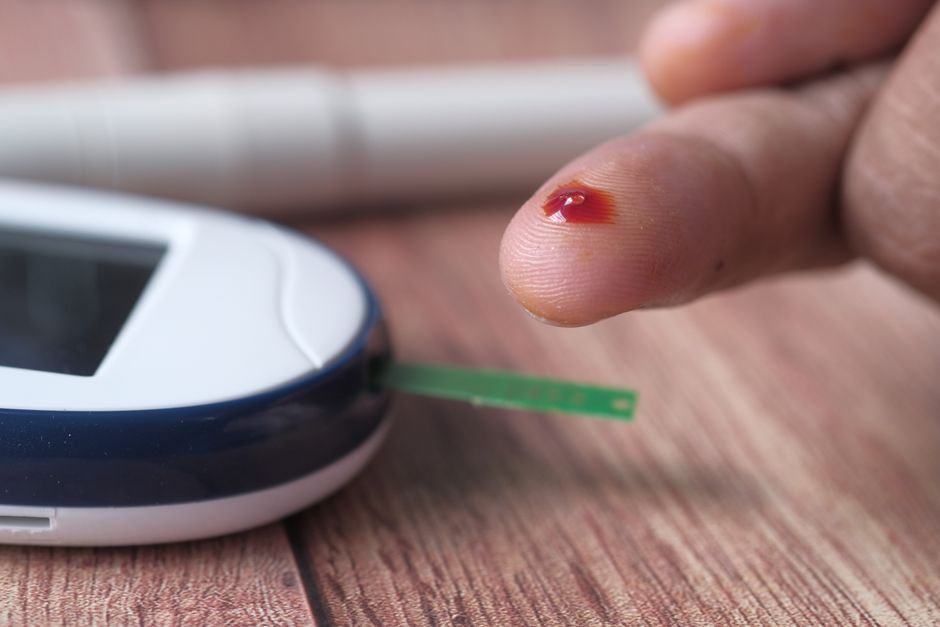
    Drop of blood on a fingertip for a blood sugar check

    Track alongside glucose readings: Recording stress levels when you check blood sugar helps identify correlations. Many glucose tracking apps now include fields for stress, sleep, and mood.

    8. Consider Natural Supplements (With Your Doctor’s Approval)

    Some supplements have been studied for stress or blood sugar, but the evidence is limited, and some can interact with diabetes medications. Always consult your healthcare provider before starting any new supplement.

    Adaptogenic herbs: Ashwagandha, rhodiola, and holy basil are traditional herbs that have been studied for stress. Some small studies suggest they may help, but the evidence is limited, and ashwagandha has been linked to rare cases of liver injury. Talk to your doctor before trying them.

    Omega-3 fatty acids: Found in fatty fish like salmon and in fish oil supplements, omega-3s support heart health. Their effect on stress and blood sugar is less clear.

    Vitamin D: Low vitamin D levels are common, and researchers are studying its links to mood and blood sugar, but supplements haven’t been shown to reliably improve either. Your doctor can test your levels and tell you whether you need a supplement.

    B-complex vitamins: These support nervous system health and energy metabolism. If you take metformin, ask your doctor about checking your vitamin B12 levels.

    When to See a Healthcare Provider

    While self-management strategies are important, certain situations require professional medical attention.

    Seek help if you experience:

    • Consistently elevated blood sugar readings despite lifestyle changes
    • Symptoms of diabetes (excessive thirst, frequent urination, unexplained weight loss, blurred vision)
    • Severe anxiety or depression that interferes with daily life
    • Physical symptoms like chest pain, severe headaches, or dizziness
    • Difficulty managing stress on your own

    Your primary care physician can order tests such as fasting glucose and HbA1c (which shows average blood sugar over 2-3 months). Cortisol testing isn’t part of routine blood sugar care, but your doctor may order it if they suspect a hormone-related condition. They can also refer you to specialists like endocrinologists or mental health professionals if needed.

    The American Lifestyle Challenge

    Let’s be honest: American culture often works against stress management and healthy blood sugar control. We glorify busy schedules, eat on the run, skimp on sleep, and stay constantly connected to stressful news and work demands.

    Many Americans spend hours a day looking at screens and eat far more added sugar than recommended. Large portion sizes, long work hours, and even dealing with the healthcare system can add to daily stress.

    But awareness of these cultural factors empowers you to make different choices. You don’t have to follow every cultural norm that undermines your health.

    Creating Your Personal Action Plan

    Breaking the stress-blood sugar cycle requires a personalized approach. Here’s how to create a plan that works for your life:

    Start small: Don’t try to overhaul everything at once. Pick 1-2 strategies that seem most doable and build from there. Maybe you start with a 10-minute evening walk and cutting out sugary drinks.

    Track your progress: Use a simple notebook, smartphone app, or spreadsheet to record your stress levels, blood sugar readings, sleep quality, and how you feel. This data helps you see what’s working.

    Be patient: It takes time for cortisol levels to normalize and insulin sensitivity to improve. Give new habits at least 2-3 weeks before evaluating their effectiveness.

    Adjust as needed: What works during one season of life might not work during another. Remain flexible and willing to try different approaches.

    Celebrate wins: Acknowledge improvements, even small ones. Maybe your fasting glucose dropped 5 points, or you managed stress without reaching for cookies. These victories matter.

    The Bottom Line

    The connection between stress and blood sugar is real and often overlooked in diabetes prevention and management. Chronic stress can raise cortisol, which may increase blood glucose and reduce insulin sensitivity.

    The good news is that this connection works both ways. Managing stress through exercise, sleep, mindfulness, balanced nutrition, and social connection may help improve blood sugar control alongside the treatment plan you follow with your healthcare team.

    For the millions of Americans with diabetes, prediabetes, or concerns about metabolic health, addressing stress is an important part of the bigger picture. The strategies outlined here are accessible and adaptable to real American lifestyles.

    You don’t need to move to a mountain retreat or quit your job (though sometimes that fantasy is tempting!). Small, consistent changes in how you handle daily stress can support better blood sugar and overall health.

    Remember, you’re not just managing numbers on a glucose meter—you’re investing in your long-term health, energy, and quality of life. That’s worth the effort.


    Disclaimer: This article is for informational purposes only and doesn’t constitute medical advice. Always consult with your healthcare provider before making significant changes to your diet, exercise routine, or taking supplements, especially if you have diabetes or other health conditions.

  • Diabetes (4/5)

    Intermittent Fasting and Diabetes
    Is It Safe and Can It Actually Help Control Blood Sugar?

    Blood glucose meter with sweets and fresh berries on a light blue background

    If you’ve scrolled through Instagram or chatted with friends about health lately, you’ve probably heard about intermittent fasting (IF). This eating pattern has become incredibly popular across the United States, with everyone from Silicon Valley executives to suburban moms experimenting with skipping breakfast or eating within specific time windows.

    But if you’re living with diabetes or prediabetes, you might be wondering: Is intermittent fasting safe for me? And more importantly, could it actually help manage my blood sugar levels?

    Let’s dive deep into what the science says and what you need to know before trying intermittent fasting with diabetes.

    What Exactly Is Intermittent Fasting?

    Intermittent fasting isn’t a diet in the traditional sense—it’s an eating pattern that cycles between periods of eating and fasting. Unlike typical diets that focus on what you eat, IF focuses on when you eat.

    The most popular IF methods in the U.S. include:

    The 16/8 Method: You fast for 16 hours and eat all your meals within an 8-hour window. For example, you might eat between noon and 8 PM, then fast until noon the next day.

    The 5:2 Diet: You eat normally five days a week and restrict calories to about 500-600 on two non-consecutive days.

    Alternate-Day Fasting: You alternate between regular eating days and fasting days (or very low-calorie days).

    Time-Restricted Eating: Similar to 16/8 but can vary in the fasting window length, often aligning with your natural circadian rhythm.

    Intermittent Fasting Methods at a Glance

    Method How It Works What to Know If You Have Diabetes
    12-Hour Overnight Fast Finish dinner by 7 PM, eat again at 7 AM The gentlest first step; a good place to start with your doctor’s OK
    16/8 Method Fast 16 hours, eat within an 8-hour window (e.g., noon to 8 PM) May suit some people with type 2 diabetes, but not everyone, especially those taking insulin or sulfonylureas
    5:2 Diet Eat normally 5 days; about 500–600 calories on 2 non-consecutive days Low-calorie days raise the risk of low blood sugar; monitor closely
    Alternate-Day Fasting Alternate regular eating days with fasting or very low-calorie days The most extreme approach; not recommended without medical supervision

    The Diabetes Epidemic in America

    Before we explore how IF relates to diabetes, let’s look at why this matters so much for Americans. According to the Centers for Disease Control and Prevention (CDC), an estimated 40.1 million people in the United States had diabetes in 2023, about 12% of the population. More than 1 in 4 adults with diabetes don’t know they have it. Another 115.2 million American adults have prediabetes.

    Type 2 diabetes, which accounts for 90-95% of all diabetes cases, is closely linked to lifestyle factors including diet, physical activity, and body weight. This connection is why many people are exploring alternative eating patterns like intermittent fasting to help manage their condition.

    Diabetes and Prediabetes in the United States (2023)

    Prediabetes (adults 18+)
    115.2 million
    Total diabetes
    40.1 million
    Diagnosed diabetes
    29.1 million
    Undiagnosed diabetes (adults 18+)
    11.0 million
    Source: CDC, National Diabetes Statistics Report

    How Intermittent Fasting Affects Blood Sugar

    To understand whether IF is safe and beneficial for diabetes, we need to look at how it impacts blood sugar and insulin—the hormone that helps glucose enter your cells.

    Insulin Sensitivity and Resistance

    When you eat, especially carbohydrate-rich foods like bagels, pizza, or soda, your blood sugar rises. Your pancreas responds by releasing insulin to help cells absorb this glucose. In type 2 diabetes, your cells become resistant to insulin, meaning they don’t respond as well to its signals.

    Research published in the journal Cell Metabolism  suggests that intermittent fasting may improve insulin sensitivity. During fasting periods, insulin levels drop, which can help your body become more responsive to insulin when you do eat.

    Weight Loss Benefits

    Many Americans with type 2 diabetes are also overweight or obese—a major risk factor for the disease. According to the NIH, losing even 5-10% of your body weight can significantly improve blood sugar control.

    Intermittent fasting can make calorie restriction easier for some people because there are fewer opportunities to eat throughout the day. Instead of constantly thinking about your next healthy snack, you simply don’t eat during your fasting window.

    Reduced Inflammation

    Chronic inflammation plays a role in insulin resistance and diabetes complications. Some studies suggest that intermittent fasting may reduce inflammatory markers in the body, potentially offering protective benefits beyond just blood sugar control.

    What Does the Research Say?

    Let’s look at what scientific studies—many conducted right here in the United States—have found about intermittent fasting and diabetes.

    The Promising Evidence

    A 2020 study published in Cell Metabolism found that time-restricted eating (eating within a 10-hour window) helped people with metabolic syndrome lose weight and improve blood pressure and cholesterol over 12 weeks.

    Research from the University of Alabama at Birmingham showed that early time-restricted feeding (eating earlier in the day, aligned with circadian rhythms) improved insulin sensitivity and blood pressure in men with prediabetes, even without weight loss.

    A review in the journal Nutrients analyzed multiple studies and concluded that intermittent fasting could be an effective dietary intervention for improving glycemic control in people with type 2 diabetes.

    The Important Caveats

    However, not all studies show consistent benefits, and researchers emphasize that results can vary significantly between individuals. The American Diabetes Association (ADA) notes that while intermittent fasting shows promise, more long-term studies are needed to fully understand its effects and safety for people with diabetes.

    It’s also worth noting that most positive studies have focused on people with type 2 diabetes or prediabetes, not type 1 diabetes, which involves different mechanisms and management strategies.

    The Safety Question: Is Intermittent Fasting Safe for People with Diabetes?

    This is the million-dollar question, and the honest answer is: it depends on your individual situation.

    Potential Risks

    Hypoglycemia (Low Blood Sugar): This is the biggest concern, especially if you take insulin or certain diabetes medications like sulfonylureas (such as glipizide or glyburide). Fasting while on these medications can cause dangerous drops in blood sugar.

    Blood Sugar Spikes: After a long fast, some people experience rebound high blood sugar when they finally eat, especially if they overeat or choose high-carb foods.

    Medication Complications: Your diabetes medication doses are typically calibrated based on regular eating patterns. Changing when you eat can throw this balance off.

    Nutrient Deficiencies: Eating in a compressed time window might make it harder to get all the nutrients you need, especially if you’re already managing dietary restrictions for diabetes.

    Who Should Be Extra Cautious?

    According to guidelines from the ADA and endocrinology experts, certain groups should be particularly careful or avoid intermittent fasting altogether:

    • People taking insulin or insulin-stimulating medications
    • Pregnant or breastfeeding women with gestational diabetes
    • People with a history of eating disorders
    • Children and teenagers with diabetes
    • Those with advanced diabetes complications
    • Anyone with type 1 diabetes (without close medical supervision)

    Can Intermittent Fasting Actually Help Control Blood Sugar?

    Based on current research and clinical experience, intermittent fasting can help some people with type 2 diabetes or prediabetes better control their blood sugar, but it’s not a magic solution and doesn’t work for everyone.

    How It May Help

    Reduced Overall Calorie Intake: Many Americans consume calories throughout the entire day, from morning coffee with cream and sugar to late-night snacks in front of the TV. IF naturally limits this grazing behavior.

    Improved Insulin Function: Fewer eating occasions, reduced calorie intake, and weight loss may help improve insulin sensitivity in some people. However, results vary, and more long-term research is needed.

    Weight Loss: Even modest weight loss can dramatically improve diabetes management. Studies show that IF can be as effective as traditional calorie restriction for weight loss.

    Better Food Choices: Some people report that having specific eating windows makes them more mindful about their food choices. Instead of grabbing a donut during your morning commute, you might plan a more balanced meal during your eating window.

    Results Vary From Person to Person

    Results vary widely from person to person. Some people with type 2 diabetes find that a 16/8 schedule, coordinated with their doctor, helps lower their A1C and body weight. Others find that fasting makes their blood sugar harder to predict and do better with regular meal timing and an eating pattern like the Mediterranean diet.

    Healthcare worker checking blood sugar with a glucose meter

    Practical Tips for Americans with Diabetes Considering Intermittent Fasting

    If you’re thinking about trying intermittent fasting to help manage your diabetes, here’s how to approach it safely and effectively.

    1. Talk to Your Healthcare Team First

    This isn’t optional—it’s essential. Your doctor, diabetes educator, or endocrinologist needs to review your medications, overall health status, and diabetes control before you start. They may need to adjust your medication doses or timing to prevent dangerous blood sugar swings.

    The ADA emphasizes that any significant dietary change for people with diabetes should be done under medical supervision.

    2. Start Slowly and Gradually

    Don’t jump into a 24-hour fast if you’ve been eating three meals plus snacks every day. Start with a 12-hour overnight fast (like finishing dinner by 7 PM and not eating until 7 AM). This is actually how many Americans ate a few generations ago before 24/7 snacking became the norm.

    Once your body adjusts and your blood sugar remains stable, you can gradually extend your fasting window if desired and if your doctor approves.

    3. Monitor Your Blood Sugar Closely

    Invest in a good glucose monitor if you don’t already have one. The FDA has approved many reliable home glucose meters that are covered by most American health insurance plans.

    Check your blood sugar more frequently when you first start IF—before and after fasting periods, and anytime you feel symptoms of low or high blood sugar. Keep detailed records to share with your healthcare provider.

    4. Stay Hydrated

    During fasting periods, you can drink water, black coffee, and unsweetened tea. Dehydration can affect blood sugar levels and make you feel worse during fasts.

    Fluid needs vary from person to person depending on activity level, climate, medications, and other health conditions. If you have kidney or heart disease, or your doctor has asked you to limit fluids, follow your healthcare team’s guidance.

    5. Choose Nutrient-Dense Foods During Eating Windows

    When you do eat, make it count. Focus on foods that stabilize blood sugar rather than causing spikes.

    Good choices include:
    – Lean proteins (grilled chicken, fish, turkey, eggs)
    – Non-starchy vegetables (broccoli, spinach, peppers, cauliflower)
    – Healthy fats (avocados, nuts, olive oil)
    – High-fiber whole grains in moderation (quinoa, brown rice, oatmeal)
    – Legumes (beans, lentils)

    Limit or avoid:
    – Sugary drinks (soda, sweetened iced tea, fruit juice)
    – Refined carbohydrates (white bread, regular pasta, white rice)
    – Fast food and processed snacks (chips, cookies, candy)
    – Fried foods

    The Mediterranean diet pattern, which the ADA recommends for diabetes management, works well within an intermittent fasting framework.

    6. Don’t Binge After Fasting

    One common mistake is using the end of a fasting period as an excuse to eat everything in sight. This can cause blood sugar spikes and negate many benefits of fasting.

    When you break your fast, start with a balanced meal of moderate size. Imagine a plate divided into quarters: half with non-starchy vegetables, one quarter with lean protein, and one quarter with whole grains or starchy vegetables.

    7. Time Your Medications Appropriately

    This is crucial and should be coordinated with your doctor. Many diabetes medications are dosed with regular meals in mind, so changing when you eat may mean your doctor needs to adjust the timing or dose.

    Some medications, like metformin (the most commonly prescribed diabetes medication in the U.S.), are often taken with food to reduce stomach upset, but instructions differ by formulation and prescription. Review your medication schedule with your doctor or pharmacist before you start, and never skip, stop, or change a prescribed medication on your own.

    8. Have a Hypoglycemia Plan

    Always keep fast-acting glucose sources available, such as:
    – Glucose tablets (available at any American pharmacy)
    – 4 ounces (½ cup) of juice
    – Regular (not diet) soda
    – Hard candies

    If your blood sugar drops below 70 mg/dL, stop fasting and follow the low blood sugar plan your healthcare team gave you. For most adults who are awake and able to swallow, this is the “15-15 rule”: consume 15 grams of fast-acting carbohydrate, wait 15 minutes, and recheck your blood sugar. If it is still below 70 mg/dL, repeat these steps.

    If someone is unconscious, having a seizure, or unable to swallow safely, do not give them food or drink. Use prescribed glucagon if available and call 911 right away.

    9. Listen to Your Body

    Intermittent fasting shouldn’t make you feel miserable. Some hunger and mild discomfort during initial adjustment is normal, but severe symptoms aren’t.

    Stop fasting and contact your doctor if you experience:
    – Dizziness, shakiness, or confusion (possible low blood sugar)
    – Extreme fatigue or weakness
    – Irregular heartbeat
    – Persistent nausea
    – Severe headaches

    10. Discuss Whether Time-Restricted Eating Is Right for You

    If you have type 2 diabetes and your doctor agrees it’s appropriate, a time-restricted schedule such as 16/8 may be a practical option for some people. It’s less extreme than alternate-day fasting and can fit around a typical work schedule. However, it isn’t right for everyone, especially if you take insulin or medications that can cause low blood sugar.

    For example, with your doctor’s approval, you might have your first meal at noon and finish eating by 8 PM. This gives you two substantial meals and possibly a healthy snack within your eating window.

    Intermittent Fasting vs. Other Approaches

    How does intermittent fasting compare to other dietary approaches for diabetes management?

    Traditional Calorie Counting

    The old-school method of tracking every calorie can be effective but tedious for many Americans. IF offers a simpler framework—you only eat during certain hours, which may naturally reduce calorie intake without constant calculation.

    However, some people need the structure of calorie counting, especially if they tend to overeat during eating windows.

    Carbohydrate Counting

    Many American diabetes patients are familiar with carb counting, which focuses on monitoring and limiting carbohydrate intake. This approach can be combined with intermittent fasting for potentially greater benefits.

    The ADA notes that understanding carbohydrate content remains important regardless of when you eat.

    Low-Carb and Ketogenic Diets

    These approaches have gained popularity for diabetes management in recent years. Some Americans combine intermittent fasting with low-carb eating, though this should only be done under medical supervision due to increased risk of medication-related hypoglycemia.

    The Diabetes Plate Method

    The ADA promotes the Diabetes Plate Method as a simple visual guide for balanced eating. This evidence-based approach can easily be incorporated into intermittent fasting—you simply follow the plate method during your eating windows.

    What About Type 1 Diabetes?

    Most research and clinical experience with intermittent fasting has focused on type 2 diabetes. Type 1 diabetes involves different mechanisms (autoimmune destruction of insulin-producing cells) and requires careful insulin management.

    The consensus among endocrinologists is that people with type 1 diabetes should be extremely cautious about intermittent fasting. If attempted at all, it requires:
    – Close medical supervision
    – Advanced carbohydrate counting skills
    – Intensive blood sugar monitoring (often with continuous glucose monitors)
    – Precise insulin adjustment
    – Experience with diabetes management

    For most Americans with type 1 diabetes, more traditional eating patterns with consistent meal timing are safer and easier to manage.

    Common Myths and Misconceptions

    Let’s clear up some confusion about intermittent fasting and diabetes.

    Myth 1: “Intermittent fasting will cure my diabetes.”

    False. While IF may significantly improve blood sugar control and potentially lead to diabetes remission in some cases of type 2 diabetes (especially when combined with weight loss), it’s not a cure. Type 2 diabetes is a complex condition, and management typically requires multiple approaches.

    Myth 2: “I can eat whatever I want during eating windows.”

    Not quite. While IF doesn’t require specific food restrictions, eating fast food burgers, fries, and milkshakes during your eating window won’t help your diabetes. Food quality still matters tremendously.

    Myth 3: “Fasting will slow my metabolism and make diabetes worse.”

    Current research doesn’t show that short-term intermittent fasting significantly slows metabolism. Some studies suggest its effect on metabolic rate is similar to that of regular calorie restriction, but more long-term research is needed.

    Myth 4: “Everyone with diabetes should try intermittent fasting.”

    Definitely not. IF isn’t appropriate or effective for everyone. It’s one tool in the diabetes management toolbox, not a one-size-fits-all solution.

    The Role of Exercise

    Exercise is crucial for diabetes management, and it works synergistically with dietary approaches like intermittent fasting.

    The CDC recommends that adults with diabetes get at least 150 minutes of moderate-intensity aerobic activity per week, plus muscle-strengthening activities on two or more days.

    If you’re practicing intermittent fasting, you might wonder when to exercise. Research suggests several options:

    Exercising While Fasted: Some people with type 2 diabetes may be able to do moderate exercise during fasting periods, but this raises the risk of low blood sugar, especially if you take insulin or sulfonylureas. Get your doctor’s guidance first, check your blood sugar before and after exercise, and keep fast-acting carbohydrates with you.

    Exercising During Eating Windows: This is often safer and allows you to fuel your workout appropriately. A balanced pre-workout snack can improve performance and prevent low blood sugar.

    Talk to your healthcare provider about the best timing for your individual situation, especially if you take diabetes medications.

    Insurance Coverage and Cost Considerations

    Intermittent fasting itself costs nothing, but starting it safely may involve a few extra costs, such as additional medical visits, more glucose test strips, or a continuous glucose monitor. Coverage varies by plan, so check with your insurance provider.

    Medicare and many private insurers cover medical nutrition therapy for diabetes, which can include guidance from a registered dietitian on whether intermittent fasting fits your plan.

    Real Talk: Is Intermittent Fasting Right for You?

    After reviewing all this information, you might still be wondering whether you should try intermittent fasting for your diabetes.

    Here’s a framework to help you decide:

    Intermittent fasting might be worth exploring if you:
    – Have type 2 diabetes or prediabetes
    – Are looking to lose weight
    – Have struggled with traditional diets
    – Don’t take insulin or insulin-stimulating medications (or are willing to work closely with your doctor to adjust them)
    – Can commit to careful blood sugar monitoring
    – Have discussed it with your healthcare team and received approval

    Intermittent fasting probably isn’t the best choice if you:
    – Have type 1 diabetes (without extensive medical support)
    – Have a history of eating disorders
    – Experience frequent hypoglycemia
    – Are pregnant or breastfeeding
    – Have advanced diabetes complications
    – Can’t monitor your blood sugar regularly
    – Haven’t discussed it with your doctor

    The Bottom Line

    Intermittent fasting shows promise as a tool for managing blood sugar in people with type 2 diabetes and prediabetes. Research suggests it may improve insulin sensitivity, promote weight loss, and help with glycemic control.

    However, it’s not a miracle cure, and it’s not safe or effective for everyone. The most important thing for any American with diabetes considering intermittent fasting is to work closely with their healthcare team.

    According to the American Diabetes Association, the best eating pattern for diabetes is one you can stick with long-term that helps you achieve your health goals. For some people, that might be intermittent fasting. For others, it might be the Mediterranean diet, carb counting, or the Diabetes Plate Method.

    The exciting news is that you have options. Diabetes management in America has come a long way from rigid meal plans and limited choices. Today, we understand that individualized approaches work best.

    Your Next Steps

    If you’re interested in trying intermittent fasting to help manage your diabetes:

    Schedule an appointment with your doctor or endocrinologist to discuss whether IF is appropriate for your situation.
    Get a baseline by recording your current blood sugar levels, A1C, weight, and how you feel with your current eating pattern.
    Connect with a registered dietitian who specializes in diabetes, ideally one certified in diabetes care and education (CDCES). You can find one through the American Diabetes Association website or your insurance provider.
    Start slowly with medical supervision, beginning with a 12-hour overnight fast and gradually extending if appropriate.
    Monitor carefully and keep detailed records of your blood sugar, what you eat during eating windows, how you feel, and any concerns.
    Know when to stop. Review your progress with your healthcare team based on your blood sugar patterns, medications, and how you feel. Stop fasting and contact your doctor promptly if you have concerning symptoms or repeated low or high blood sugar readings.
    Stay informed by following reputable sources like the CDC, NIH, and American Diabetes Association for the latest research and guidelines.

    Remember, managing diabetes is a marathon, not a sprint. The goal is finding sustainable lifestyle approaches that help you live your healthiest, happiest life while keeping your blood sugar in a healthy range.

    Whether intermittent fasting becomes part of your diabetes management toolkit or not, you’re taking an important step by educating yourself and exploring your options. That proactive approach is exactly what effective diabetes management requires.

    Disclaimer: This blog post is for informational purposes only and is not a substitute for professional medical advice, diagnosis, or treatment. Always seek the advice of your physician or other qualified health provider with any questions you may have regarding a medical condition, especially before making significant changes to your diet or diabetes management plan.


    Have you tried intermittent fasting with diabetes? What was your experience? Share your story in the comments below (always remember not to include personal health information like specific blood sugar numbers or medications in public forums).

    For more evidence-based information about diabetes management, visit CDC.gov/diabetes, diabetes.org (American Diabetes Association), or talk to your healthcare provider.

  • Diabetes (3/5)

    The Dawn Phenomenon
    Why Your Blood Sugar Is High in the Morning, Even When You Didn’t Eat

    Hand holding a blood glucose meter next to a donut on a plate

    Have you ever woken up, checked your blood sugar before breakfast, and wondered why the number is higher than it was at bedtime—even though you didn’t eat anything overnight? You’re not imagining things, and you’re not alone.

    This frustrating morning pattern is called the “dawn phenomenon,” and it’s common among people with diabetes. Understanding why it happens and what you can do about it can make a real difference in managing your blood sugar throughout the day.

    What Exactly Is the Dawn Phenomenon?

    The dawn phenomenon (also called the “dawn effect”) is a natural rise in blood sugar that happens in the early morning hours, often between about 3 a.m. and 8 a.m. It’s caused by hormones your body releases before you wake up, which signal your liver to put more glucose into your bloodstream.

    In people without diabetes, the body responds by releasing more insulin, so blood sugar stays in a normal range. In people with diabetes or insulin resistance, the body either doesn’t make enough insulin or can’t use it effectively, so morning readings can end up higher than expected.

    According to the CDC, more than 38 million Americans have diabetes, and many more have prediabetes. For many of them, keeping fasting blood sugar in range is one of the trickier parts of daily diabetes management.

    Why Does This Happen?

    Your body runs on a roughly 24-hour internal clock called the circadian rhythm. In the early morning hours, it gets ready for the day by releasing several hormones, including:

    Cortisol (often called the “stress hormone”): Levels naturally rise in the early morning to help you wake up and feel alert.

    Growth hormone: Released during sleep and involved in tissue repair and metabolism.

    Glucagon and epinephrine (adrenaline): These hormones can signal your liver to release stored glucose for energy.

    Together, these hormones prompt your liver to break down stored glycogen and release glucose into your bloodstream. In people without diabetes, this is a normal process that helps fuel the start of the day, even before breakfast.

    With diabetes or insulin resistance, the body can’t move that extra glucose from the bloodstream into cells as efficiently, so it stays in the blood and shows up as a higher morning reading.

    Dawn Phenomenon vs. Somogyi Effect: What’s the Difference?

    Before going further, it helps to know about another possible explanation for high morning blood sugar: the Somogyi effect (sometimes called “rebound hyperglycemia”).

    The dawn phenomenon: Blood sugar rises because of normal early-morning hormone release, not because of something you ate the night before.

    The Somogyi effect: The theory is that blood sugar drops too low during the night, the body responds by releasing hormones that raise blood sugar, and the result is a high reading in the morning. Studies using continuous glucose monitors suggest this pattern is less common than once believed, but nighttime lows are still important to rule out—especially for people who take insulin or certain other diabetes medications.

    Because the two patterns may call for different changes to your treatment plan, your healthcare provider may ask you to check your blood sugar in the middle of the night (for example, around 2 or 3 a.m.) for a few nights, or to wear a CGM, to see what’s actually happening.

    Dawn Phenomenon Somogyi Effect
    What causes it Normal early-morning hormone release A rebound after blood sugar drops too low overnight
    Overnight pattern Steady through the night, then rises toward morning Dips low during the night, then rises by morning
    How common Common in people with diabetes Thought to be less common than once believed
    How to tell Middle-of-the-night reading is not low Middle-of-the-night reading is low
    Next step Share your overnight readings or CGM data with your healthcare provider before changing any treatment.

    Summary of the information in this article. Talk to your healthcare provider about your own readings.

    Who Is Most Affected?

    While anyone with diabetes can experience the dawn phenomenon, it’s often seen in:

    • People with Type 1 diabetes
    • People with Type 2 diabetes
    • Individuals with prediabetes
    • Those using insulin therapy

    The size of the morning rise varies from person to person and can change from day to day, so it’s worth tracking your own pattern rather than comparing your numbers to someone else’s.

    Some people without diabetes have a small early-morning rise as well, but their bodies usually respond with enough insulin to keep blood sugar in a normal range.

    How to Know If You’re Experiencing the Dawn Phenomenon

    The most straightforward way to spot the dawn phenomenon is by tracking your blood sugar. Here’s what to look for:

    Check your blood sugar at bedtime and again when you wake up. If your morning reading is consistently higher than your bedtime reading and you haven’t eaten overnight, the dawn phenomenon may be one explanation.

    Look at overnight levels if you can. A continuous glucose monitor (CGM) can show when your blood sugar starts rising during the night—and whether it dipped low first.

    Keep a log for at least a week. Patterns are much easier to see with several days of data.

    Several FDA-cleared CGM devices are now available, which can make overnight tracking easier than repeated finger sticks.

    The Impact on Your Overall Health

    Consistently high morning blood sugar levels aren’t just frustrating—they can affect your overall diabetes management and health.

    Doctor talking with a patient during a checkup

    Higher A1C levels: Your A1C test measures your average blood sugar over the past 2-3 months. If your mornings start high, this can significantly impact your overall average, even if you manage your levels well throughout the rest of the day.

    Increased diabetes complications risk: The CDC warns that consistently elevated blood sugar increases your risk of diabetes-related complications, including heart disease, kidney disease, nerve damage, and vision problems.

    Difficult daytime control: Starting your day with high blood sugar can make it harder to manage your levels throughout the day, creating a frustrating cycle.

    Practical Strategies to Manage Morning Blood Sugar

    The good news is that there are several strategies that may help with high morning blood sugar. Not every approach works for everyone, so you and your healthcare team may need to try different combinations to find what works for you.

    1. Adjust Your Medication Timing

    Talk to your healthcare provider before changing when or how you take any diabetes medication. Depending on your treatment plan, your provider might consider options such as:

    Changing the timing of an oral medication: For some people on metformin or other oral medications, a provider may suggest taking a dose in the evening rather than the morning.

    Adjusting insulin timing or type: If you use long-acting insulin such as Lantus, Basaglar, or Tresiba, your provider may review whether a different time of day or a different type would give better overnight coverage. Some people use an insulin pump that can be set to deliver more insulin in the early morning hours.

    Don’t change the dose, timing, or type of any medication—or stop taking it—on your own. Changes like these should always be made with your healthcare provider.

    2. Eat a Smart Dinner

    What and when you eat in the evening can affect your morning numbers.

    Eat dinner a little earlier: Finishing dinner earlier in the evening, when your schedule allows, gives your body more time to process the meal before the early-morning hormone rise.

    Choose slower-digesting foods: Non-starchy vegetables, lean proteins, and high-fiber foods tend to raise blood sugar more gradually. Think grilled chicken with broccoli and quinoa instead of a large plate of pasta with breadsticks.

    Watch evening carbs: Dinner is often the most carb-heavy meal of the day. Consider smaller carbohydrate portions, or complex carbs like brown rice, sweet potatoes, or whole grain bread in place of white rice or regular pasta.

    Rethink the late-night snack: A bowl of sugary cereal or a handful of crackers right before bed can make overnight blood sugar patterns harder to read. (See strategy #6 for snack options some people find helpful.)

    3. Get Moving in the Evening

    Physical activity can help your body use insulin more effectively, and the effect can last for hours afterward.

    Walk after dinner: A 15- to 30-minute walk after your evening meal can help lower blood sugar after eating and may help with morning readings. If the weather isn’t cooperating, an indoor mall or large store works too.

    Light activity in the evening: Gentle yoga, stretching, or light strength exercises in the evening may also help. Some people find that hard exercise close to bedtime makes it harder to fall asleep, so save intense workouts for earlier in the day if that’s true for you.

    If you take insulin or medications that can cause low blood sugar, ask your provider how evening exercise might affect your overnight levels.

    The CDC recommends that adults get at least 150 minutes of moderate-intensity physical activity per week.

    4. Optimize Your Sleep

    Poor sleep and untreated sleep disorders can make insulin resistance and blood sugar control worse.

    Keep a consistent schedule: Go to bed and wake up at roughly the same times each day, including weekends.

    Set up your bedroom for sleep: Keep it cool, dark, and quiet, and consider charging your phone outside the bedroom.

    Ask about sleep apnea: Sleep apnea is more common in people with type 2 diabetes and can make blood sugar harder to manage. If you snore loudly, wake up gasping, or feel tired despite a full night in bed, talk to your doctor about testing.

    5. Consider Your Breakfast Timing and Content

    What and when you eat for breakfast can also affect your blood sugar for the rest of the morning.

    Don’t skip breakfast without talking to your doctor: For some people, skipping breakfast leads to higher blood sugar later in the day, while others do fine with a later first meal. Your doctor can help you decide what’s right for you.

    Choose a protein-rich breakfast: Eggs, Greek yogurt, cottage cheese, or a protein shake may help keep blood sugar steadier than carb-heavy options like pancakes, muffins, or sweetened cereals.

    Time it right: Some people find that eating breakfast soon after waking helps bring their morning numbers down.

    Breakfast options that work well for many people include:
    – Scrambled eggs with vegetables and whole grain toast
    – Greek yogurt with berries and nuts
    – Oatmeal (steel-cut or old-fashioned, not instant) with protein powder mixed in
    – Vegetable omelet with avocado

    6. Try an Evening Snack (the Right Kind)

    This may sound like it contradicts the earlier advice, but some people with the dawn phenomenon find that a small, well-chosen bedtime snack helps their morning numbers. Research on this is limited, and it doesn’t work for everyone.

    If you want to try it, choose carefully: A small snack with protein and healthy fat—and few carbohydrates—is the usual approach.

    Options some people use include:
    – A small handful of almonds or walnuts (about 1 ounce)
    – Celery or cucumber with 2 tablespoons of natural peanut or almond butter
    – A small piece of cheese
    – A hard-boiled egg

    Check your numbers: Compare your morning readings on nights with and without the snack, and talk with your healthcare provider before making it a habit—especially if you take insulin or other medications that can cause low blood sugar.

    7. Monitor and Adjust

    Use a blood glucose meter or CGM to track how different strategies affect your morning levels.

    Keep detailed records: Note what you ate, when you exercised, when you took medications, and your stress levels alongside your blood sugar readings.

    Look for patterns: After a couple of weeks, you should start seeing which approaches work best for your body.

    Share your data with your healthcare team: Bring your logs to appointments. Many meters and CGMs connect to apps that can create reports for your doctor, which makes it easier to adjust your plan together.

    When to Talk to Your Doctor

    You should contact your healthcare provider if:

    • Your morning blood sugar is consistently above your target range (for many adults, the ADA suggests a fasting target of 80–130 mg/dL)
    • You suspect nighttime low blood sugar (for example, night sweats, nightmares, or waking up with a headache)
    • Home management strategies aren’t improving your morning levels
    • You have symptoms of high blood sugar, such as excessive thirst, frequent urination, or unexplained fatigue

    Your doctor may recommend:
    – Adjusting your medication regimen
    – Changing the type or timing of insulin
    – Adding or switching diabetes medications
    – Using a CGM to better understand your patterns
    – Referral to an endocrinologist (diabetes specialist)

    Measure General target for many adults with diabetes
    Fasting / before-meal blood sugar 80–130 mg/dL
    1–2 hours after starting a meal Less than 180 mg/dL
    A1C Less than 7%

    Source: American Diabetes Association, Standards of Care in Diabetes. Your personal targets may be different—ask your healthcare provider what’s right for you.

    Advanced Treatment Options

    For people who don’t respond well to lifestyle modifications and standard medication adjustments, there are additional options available in the United States.

    Insulin pumps: Devices like the Medtronic MiniMed, Tandem t:slim, or Omnipod can be programmed to deliver different insulin rates throughout the night, increasing delivery in the early morning hours to counteract the dawn phenomenon.

    Closed-loop systems: Newer “artificial pancreas” systems approved by the FDA combine a CGM with an insulin pump to automatically adjust insulin delivery based on blood sugar readings, including during sleep.

    Different insulin formulations: Ultra-long-acting insulins like Tresiba (insulin degludec) or switching between basal insulin types may provide better overnight coverage for some people.

    Medication combinations: Your doctor might suggest adding medications like SGLT2 inhibitors or GLP-1 receptor agonists to your regimen, which can improve overall blood sugar control and may help with morning levels.

    The Bottom Line

    The dawn phenomenon is common, frustrating, and manageable. It’s driven by a natural hormonal process—not by something you did wrong.

    Addressing high morning blood sugar usually takes a combination of approaches: reviewing medications with your provider, adjusting meal timing and food choices, staying active, and getting good sleep.

    What works for a friend, a family member, or someone online may not work the same way for you. Diabetes management is highly individual, and finding the right approach often takes some trial and error.

    Today’s monitoring tools and treatment options give you and your healthcare team more ways to understand and manage morning highs. Stay consistent with tracking, keep your provider in the loop, and don’t get discouraged if it takes time to find what works.

    Your morning numbers don’t define you—they’re information that helps you and your healthcare team make better decisions about your care.


    Disclaimer: This article is for informational purposes only and doesn’t replace professional medical advice. Always consult with your healthcare provider before making changes to your diabetes management plan.

  • Diabetes (2/5)

    Metformin Side Effects
    What to Expect and How to Manage Them

    Blood glucose meter surrounded by sugar cubes

    If you’ve recently been prescribed metformin for type 2 diabetes or prediabetes, you’re not alone. According to the CDC, about 38 million Americans have diabetes, and metformin is the most commonly prescribed medication for managing blood sugar levels in the United States.

    While your doctor likely mentioned some common side effects like nausea or diarrhea, there are several lesser-known effects that can catch you off guard. Let’s dive into what you really need to know about metformin and how to manage these unexpected challenges.

    The Metformin Basics: Why You’re Taking It

    Metformin works by reducing glucose production in your liver and improving your body’s sensitivity to insulin. The FDA approved it for use in the U.S. in 1994, and it’s remained a first-line treatment for type 2 diabetes ever since.

    Most doctors prescribe it because it’s effective, relatively safe, and doesn’t typically cause weight gain like some other diabetes medications. But “relatively safe” doesn’t mean side-effect-free.

    Side Effects Worth Knowing About

    1. Vitamin B12 Deficiency With Long-Term Use

    Here’s something that often gets overlooked: long-term metformin use can lower your vitamin B12 levels. The risk tends to rise the longer you take it and at higher doses, and the American Diabetes Association recommends periodic B12 checks for people who take metformin long term—especially those with anemia or nerve symptoms like numbness.

    Why it matters: B12 deficiency can cause fatigue, numbness or tingling in your hands and feet (which can be confused with diabetic neuropathy), memory problems, and even depression. Low B12 is also more common in adults over 50 and in people who follow a plant-based diet, so the risks can add up.

    What to do about it:
    – Ask your doctor how often you should have your B12 levels checked
    – Ask your doctor whether a B12 supplement is right for you
    – Eat more B12-rich foods like eggs, milk, chicken, and fortified cereals
    – If your levels are very low, your doctor may recommend B12 injections or high-dose supplements

    2. The Metallic Taste That Changes How Food Tastes

    Some people notice a metallic or bitter taste in their mouth, especially when first starting metformin. It’s usually mild, but it can make your morning coffee or favorite foods taste a little off.

    What to do about it:
    – Chew sugar-free gum or mints
    – Brush your teeth and tongue regularly
    – Try plastic utensils instead of metal ones
    – This usually fades within a few weeks; if it doesn’t, mention it to your doctor

    3. The Digestive Issues That Go Beyond “Upset Stomach”

    Your doctor probably warned you about diarrhea and nausea, but they might not have mentioned the specifics. We’re talking about urgent bathroom trips that can interfere with your daily life—your commute to work, running errands at Target, or dinner at Olive Garden.

    Some people experience bloating so severe their pants don’t fit comfortably, while others deal with embarrassing gas that makes meetings and social situations stressful.

    What to do about it:
    – Always take metformin with food (never on an empty stomach)
    – Ask your doctor about starting at a lower dose and increasing gradually
    – Ask about the extended-release version (Metformin ER), which many people find easier on the stomach
    – If certain foods seem to make symptoms worse (fatty meals or dairy, for example), cut back on them for a while
    – Drink enough fluids to stay hydrated, especially if you have diarrhea
    – Ask your doctor whether a probiotic might help
    – Check with your doctor or pharmacist before using an over-the-counter anti-diarrhea medicine

    For many people, these digestive effects ease within a few weeks as the body adjusts. If diarrhea or vomiting is severe or won’t stop, contact your doctor right away—dehydration can be dangerous while taking metformin.

    4. Fatigue When Starting Metformin

    While B12 deficiency can cause fatigue over time, some people feel more tired than usual soon after starting metformin. You might struggle to get through your workday or find your usual workout routine harder than before.

    Fatigue can have many causes, though, and it isn’t always the medication itself. Changes in your blood sugar, dehydration from digestive side effects, anemia, low vitamin B12, poor sleep, or other health problems can all play a role—so it’s worth looking at the bigger picture.

    What to do about it:
    – Don’t skip meals—eat regular, balanced meals with protein
    – Stay hydrated, especially if you’ve had diarrhea
    – If you have a meter, check your blood sugar to see whether it’s running low
    – Aim for 7–9 hours of sleep nightly
    – Talk to your doctor if fatigue is severe, keeps getting worse, or lasts more than a few weeks

    5. Lactic Acidosis: Rare but Serious

    Lactic acidosis is a rare but serious condition where lactic acid builds up in your bloodstream faster than it can be removed. While uncommon, it’s more likely if you have kidney problems, liver disease, heart failure, or drink alcohol excessively.

    White medication tablets in a small bowl

    The FDA requires a boxed warning about this risk on metformin labels, but many people never read the detailed paperwork or understand what to watch for.

    Warning signs include:
    – Unusual muscle pain or weakness
    – Trouble breathing
    – Unusual sleepiness or fatigue
    – Stomach pain with nausea and vomiting
    – Feeling cold, dizzy, or lightheaded
    – Sudden irregular heartbeat

    What to do about it:
    – Have your kidney function checked before starting metformin, then at least once a year (or more often if your doctor recommends it)
    – Limit alcohol, and ask your doctor how much (if any) is safe for you while taking metformin
    – Tell your doctor before any surgery or imaging test with contrast dye—depending on your kidney function and the type of test, you may need to pause metformin for a short time
    – If you have symptoms of lactic acidosis, don’t wait to see if they pass—call 911 or go to the nearest emergency room right away

    6. Low Blood Sugar (Hypoglycemia)

    Metformin alone rarely causes hypoglycemia (low blood sugar), but the risk goes up if you also take insulin or a sulfonylurea (such as glipizide or glyburide), skip meals, drink alcohol, or exercise more than usual.

    Low blood sugar can cause shakiness, sweating, confusion, irritability, or heart palpitations—scary symptoms if you don’t realize what’s happening. Not every shaky or sweaty moment means low blood sugar, though, so checking your levels when you can is the best way to know.

    What to do about it:
    – Check your blood sugar if you feel off
    – Don’t skip meals, and take metformin with food as prescribed
    – If you also take insulin or a sulfonylurea, carry fast-acting glucose tablets or juice and keep snacks in your car, desk, or bag
    – If you’re at higher risk of lows, consider a medical alert bracelet and let family, friends, and coworkers know what to do if you seem confused or unwell
    – Tell your doctor if you have repeated lows—your treatment plan may need adjusting

    7. Skin Reactions

    Skin reactions such as rashes or itching are uncommon with metformin, but they can happen. A rash may signal an allergic reaction to the medication itself or, less often, to an inactive ingredient in the tablet.

    Generic metformin from different manufacturers can contain different inactive ingredients. Your pharmacist can help you check whether your refill changed—something worth knowing in the U.S., where insurance often determines which generic you receive.

    What to do about it:
    – Take photos of any rashes or skin changes to show your doctor
    – Talk to your doctor or pharmacist before switching to a different manufacturer’s generic—don’t make the change on your own
    – Seek emergency care right away if a rash comes with swelling of the face, lips, or throat, or trouble breathing
    – Don’t dismiss persistent skin reactions—contact your healthcare provider

    8. The Less-Discussed Impact on Your Social Life

    Let’s be real: the digestive issues, dietary changes, and need to take medication with meals can affect your social life. Happy hour with coworkers becomes complicated, date nights require planning, and food-centered family gatherings might stress you out.

    The mental and emotional impact of managing these side effects deserves acknowledgment, even if it’s not a “medical” side effect per se.

    What to do about it:
    – Be honest with close friends and family about your needs
    – Scout restaurant menus ahead of time
    – Keep your medication in your bag so you can take it anywhere
    – Remember that managing your health is nothing to be embarrassed about
    – Join online support groups for Americans with diabetes—knowing you’re not alone helps tremendously

    Tips for Making Metformin More Tolerable

    Start Low and Go Slow

    Many doctors start with a low dose and increase it gradually rather than beginning at the full dose. For example, some people start at 500 mg once a day and increase every week or two as tolerated—but your exact dose and schedule should always come from your doctor.

    This gradual approach gives your body time to adjust and can reduce side effects. If you’re having trouble with your current dose, ask your doctor whether a slower increase might help—just don’t change your dose on your own.

    Time It Right

    Taking metformin with a meal—often your largest meal of the day—can help minimize stomach upset. Some people do better when the dose is split between breakfast and dinner.

    If your side effects seem tied to timing, ask your doctor or pharmacist whether changing when you take it makes sense for your prescription. Once you find a routine that works, keep it consistent.

    Consider the Extended-Release Version

    Metformin ER (extended-release) releases the medication slowly throughout the day rather than all at once. Many people find it easier on the stomach than the immediate-release version.

    Generic metformin ER is widely available, and many insurance plans cover it. Check with your plan to see what it costs for you.

    Metformin (Immediate-Release) Metformin ER (Extended-Release)
    How often it’s usually taken 2–3 times a day with meals Once a day, usually with the evening meal
    How the medicine is released Released soon after you take it Released slowly over the day
    Stomach side effects Common when starting Many people find it easier on the stomach
    How to swallow it As directed on your prescription Swallow whole—don’t split, crush, or chew
    Your doctor decides which form and schedule is right for you. Source: MedlinePlus

    Keep a Side Effect Journal

    Track what you eat, when you take your medication, and any symptoms you experience. This helps you identify patterns and gives your doctor concrete information to work with.

    Use your phone’s notes app, a fitness tracker, or a simple notebook. After a few weeks, you’ll likely spot connections you wouldn’t have noticed otherwise.

    Don’t Suffer in Silence

    American healthcare often feels rushed, with 15-minute appointments that barely scratch the surface. But you have the right to discuss side effects thoroughly.

    Prepare for appointments by listing your concerns in advance. If your doctor dismisses your symptoms, advocate for yourself or consider seeking a second opinion. You deserve to feel heard and supported.

    When to Contact Your Doctor

    While many metformin side effects are manageable, certain situations require medical attention:

    • Side effects that are severe at any point, or that worsen rather than improve after 3–4 weeks
    • Severe or persistent diarrhea or vomiting that leads to dehydration or keeps you from eating and drinking
    • Unexplained weight loss or loss of appetite
    • Signs of lactic acidosis (described earlier)
    • New or worsening numbness or tingling
    • Unusual fatigue, weakness, or shortness of breath
    • Any symptom that significantly impacts your quality of life

    Your healthcare provider can adjust your dose, switch you to extended-release, or explore alternative medications. Type 2 diabetes management isn’t one-size-fits-all.

    Alternative Considerations

    If metformin side effects remain intolerable despite trying various strategies, talk to your doctor about alternatives. Options include:

    • Other oral medications like SGLT2 inhibitors or DPP-4 inhibitors
    • GLP-1 receptor agonists (some now available as once-weekly injections)
    • Combination therapies that might allow for a lower metformin dose
    • Lifestyle changes alongside medication to support better blood sugar control

    The American Diabetes Association emphasizes that treatment should be individualized. What works for your neighbor or coworker might not work for you.

    The Lifestyle Component You Can’t Ignore

    Here’s something worth keeping in mind: metformin works best alongside healthy habits. Medication and lifestyle work together—neither does the whole job alone.

    The landmark Diabetes Prevention Program study found that lifestyle changes cut the risk of developing type 2 diabetes by 58% in people with prediabetes—more than metformin did (31%). That study focused on people with prediabetes, not people already diagnosed with type 2 diabetes, but healthy habits still play an important role in blood sugar management for everyone.

    Reduced risk of developing type 2 diabetes in people with prediabetes (compared with placebo)

    Lifestyle changes
    58%
    Metformin
    31%
    Diabetes Prevention Program study. Source: NIDDK

    Practical American lifestyle tips:
    – Swap regular soda for zero-calorie options or water
    – Choose grilled instead of fried at fast-food restaurants
    – Walk for 10 minutes after meals (even around your office building)
    – Fill half your plate with non-starchy vegetables
    – Choose whole grain bread and pasta over refined versions
    – Limit sugary coffee drinks from Starbucks or Dunkin’
    – Use smaller plates to control portions
    – Plan your grocery shopping to avoid impulse purchases

    These lifestyle changes can improve blood sugar management and overall health. Over time, your healthcare provider may reassess your treatment plan based on your blood sugar levels and individual needs. Never reduce or stop metformin without medical guidance.

    The Bottom Line

    Metformin is an effective, time-tested medication that helps millions of Americans manage their blood sugar. But like any medication, it comes with potential side effects—some commonly discussed, others not so much.

    Being prepared for what might happen helps you manage side effects proactively rather than feeling blindsided. For many people, side effects improve within the first few weeks, and for most, the benefits of well-controlled blood sugar outweigh the temporary discomfort. If side effects don’t improve, talk to your doctor rather than stopping on your own.

    Remember that you’re not stuck suffering through unbearable symptoms. Between timing adjustments, extended-release formulations, dietary modifications, and doctor-guided dosing changes, there are many ways to make metformin work for your body.

    Your diabetes management journey is exactly that—a journey, not a destination. Be patient with yourself, communicate openly with your healthcare team, and don’t hesitate to advocate for adjustments when something isn’t working.


    Disclaimer: This blog post is for informational purposes only and doesn’t constitute medical advice. Always consult with your healthcare provider before making changes to your medication regimen or if you’re experiencing concerning symptoms. If you experience signs of lactic acidosis or severe allergic reaction, seek emergency medical attention immediately by calling 911.

  • Diabetes (1/5)

    How to Prevent Diabetic Foot Ulcers
    Daily Inspection Habits That Could Save Your Limbs

    How to Prevent Diabetic Foot Ulcers: Daily Inspection Habits That Could Save Your Limbs

    If you’re among the more than 40 million Americans living with diabetes, you’ve likely heard your doctor emphasize the importance of foot care. But did you know that a simple daily habit—checking your feet—could help save your limbs from amputation?

    Foot ulcers are one of the most serious complications of diabetes, and if they aren’t treated early, they can lead to hospital stays and even amputation. The good news? Many of these problems can be prevented with proper foot care and early detection.

    Let’s dive into the daily inspection habits that could make all the difference in your diabetic foot health.

    Why Are People with Diabetes at Higher Risk for Foot Problems?

    Diabetes affects your body in ways that specifically target your feet. High blood sugar levels can damage nerves (diabetic neuropathy) and reduce blood flow to your extremities (peripheral artery disease).

    When you lose sensation in your feet, you might not notice a small cut, blister, or sore. Without adequate blood flow, these minor injuries struggle to heal and can quickly develop into serious ulcers. This combination creates the perfect storm for foot complications.

    The National Institute of Diabetes and Digestive and Kidney Diseases (NIDDK) reports that as many as half of all people with diabetes have nerve damage in their feet and legs. This makes daily foot inspections not just recommended—but essential.

    Bar chart of diabetes among U.S. adults by age, 2021–2023: 4.6% of adults aged 18–44, 20.6% aged 45–64, and 28.8% aged 65 and older, including diagnosed and undiagnosed cases.
    Source: CDC, National Diabetes Statistics Report (2021–2023)

    The Daily Foot Inspection Routine: Your 5-Minute Limb-Saving Habit

    When to Inspect Your Feet

    Choose a consistent time each day when you can sit comfortably in good lighting. Many Americans find that after their evening shower or before bed works best. The key is making it part of your routine, like brushing your teeth.

    Set a reminder on your smartphone if needed. Think of it as an important appointment with yourself that you can’t miss.

    What You’ll Need

    Gather these items to make your inspection easier:
    – A handheld mirror (or a standing mirror you can position near your feet)
    – Good lighting—a reading lamp works well
    – Your reading glasses if you wear them
    – A small notebook or smartphone app to track any concerns

    The Step-by-Step Inspection Process

    1. Visual Examination of the Tops and Sides

    Sit in a comfortable chair with good lighting. Remove your socks and shoes completely, and examine the top and sides of both feet carefully.

    Look for these warning signs:
    – Cuts, scratches, or breaks in the skin
    – Blisters or burns
    – Redness, warmth, or swelling
    – Discoloration or dark spots
    – Ingrown toenails or changes in nail color

    Don’t rush through this step. Most diabetes-related amputations begin with a foot ulcer, so catching small problems early is one of the best ways to protect your feet.

    2. Check the Bottom of Your Feet

    This is where that mirror becomes essential. Place the mirror on the floor and position your foot over it, or hold a handheld mirror to get a clear view of your sole.

    Examine carefully for:
    – Cracks, especially in the heel area (common in dry climates like Arizona or during harsh winters)
    – Peeling between toes
    – Any breaks in the skin
    – Calluses or corns (which can hide ulcers underneath)
    – Puncture wounds from stepping on objects

    If you have trouble bending or seeing the bottoms of your feet, ask a family member for help or consider consulting a podiatrist about assistive devices.

    3. Check Between Your Toes

    Gently separate each toe and look at the skin between them. This warm, moist area is prone to fungal infections and skin breakdown.

    Watch for:
    – Redness or maceration (soggy, white skin)
    – Cracks or fissures
    – Signs of athlete’s foot
    – Unpleasant odor

    Foot care specialist examining a patient's foot

    Dry thoroughly between your toes after bathing. This simple step helps prevent infections.

    4. Feel for Temperature Changes

    Gently touch different areas of your feet and compare both feet to each other. Notice whether any spot feels warmer or cooler than the area around it.

    Temperature is only a clue, not a diagnosis. New warmth in one spot can be a sign of inflammation or infection, and coldness may suggest poor circulation.

    If you notice new warmth, swelling, or color changes, contact your healthcare provider.

    5. Check for Changes in Shape

    Look at the overall structure of your feet. Has one developed a new bump or changed shape?

    Charcot foot, a condition where bones weaken and the foot changes shape, affects some people with diabetic neuropathy. Early detection is critical to prevent severe deformity.

    What to Do When You Find Something Wrong

    First Steps for Small Cuts or Blisters

    If you find a small cut, scratch, or blister, take these first steps:
    – Gently rinse it with clean water or wash it with mild soap and water
    – Cover it with a clean, dry bandage
    – Call your doctor or podiatrist right away, even if it looks minor

    Don’t apply creams or ointments unless your care team tells you to. Never use harsh antiseptics like iodine or hydrogen peroxide on diabetic feet—they can damage tissue.

    When to Call Your Doctor Immediately

    Contact your healthcare provider or podiatrist right away if you notice:
    – Any open sore, wound, or broken blister
    – Signs of infection (redness spreading from a wound, pus, warmth, red streaks, fever)
    – Change in skin color (very red, blue, or pale)
    – Severe pain or numbness
    – Ingrown toenail with redness or drainage

    Don’t wait to see if these issues resolve on their own. With diabetes, foot problems can get worse quickly. Medicare and many private insurance plans cover foot exams and treatment for people with diabetes who have nerve damage or other foot problems, so check your plan for details.

    Beyond Daily Inspections: Supporting Foot Health Habits

    Proper Footwear Choices

    If you have diabetes, investing in proper footwear is money well spent.

    Look for shoes that:
    – Fit well with wiggle room for toes
    – Have cushioned soles
    – Contain no rough interior seams
    – Provide good support

    A podiatrist or a store with trained shoe fitters can help you find supportive shoes that fit well. Medicare Part B covers one pair of therapeutic shoes and inserts per year for people with diabetes who qualify.

    Never walk barefoot, even at home. A small piece of glass, a dropped tack, or even a pet’s toy could cause an injury you won’t feel.

    Daily Foot Care Practices

    Washing: Clean your feet daily with lukewarm water—test the temperature with your elbow, not your potentially numb feet. Use a mild, fragrance-free soap.

    Drying: Pat feet dry gently, especially between toes. Don’t rub vigorously, as this could damage skin.

    Moisturizing: Apply a gentle moisturizer to prevent dry, cracked skin. Avoid putting lotion between your toes, where excess moisture can cause problems.

    Nail care: Trim toenails straight across and file edges. If you have trouble seeing or reaching your feet, ask a podiatrist about regular professional nail care.

    Situation 🛑 Avoid ✅ Do Instead
    A cut, blister, or sore Treating it yourself and waiting a few days to see if it heals Rinse gently, cover with a clean bandage, and call your doctor or podiatrist right away
    Washing your feet Putting your feet in water without checking the temperature Test the water with your elbow first, then use lukewarm water
    Moisturizing Putting lotion between your toes Moisturize the tops and bottoms of your feet, and keep the skin between your toes dry
    Walking around Going barefoot, even at home Wear socks and shoes or slippers, indoors and outdoors

    Blood Sugar Management

    Your daily foot inspections work best when combined with good blood sugar control. The American Diabetes Association recommends these target ranges for many adults:
    – Before meals: 80-130 mg/dL
    – Two hours after starting a meal: less than 180 mg/dL
    – A1C: below 7%

    Your doctor may set different targets for you. Keeping blood sugar in your target range can help protect your nerves and blood vessels and support healing.

    Regular Professional Foot Exams

    Even with excellent daily self-inspections, you still need regular foot exams from a healthcare provider:
    – At least once a year for everyone with diabetes
    – More often if you have nerve damage, poor circulation, or a history of foot ulcers—your doctor will decide how often based on your risk

    It’s also a good idea to ask your healthcare provider to check your feet at every visit.

    During these appointments, your doctor should check your sensation using a monofilament test, assess your circulation, and examine your feet thoroughly.

    Special Considerations for American Lifestyles

    For Active Americans

    If you exercise regularly—whether it’s walking at your local park, taking a group exercise class, or playing pickleball—inspect your feet both before and after activity.

    Wear moisture-wicking socks designed for people with diabetes, available at sporting goods stores and online. Break in new athletic shoes gradually before long workouts.

    For Workers on Their Feet

    Americans who work in retail, healthcare, food service, or other standing professions face extra challenges. Consider these tips:
    – Invest in high-quality work shoes with excellent support
    – Use compression socks if approved by your doctor
    – Take breaks to elevate your feet when possible
    – Do extra-thorough inspections after long shifts

    During Travel

    Whether you’re road-tripping across Route 66 or flying to visit family, don’t skip your daily foot checks. Pack a small travel kit with:
    – Your inspection mirror
    – Extra diabetic socks
    – Bandages and any wound-care supplies your doctor recommends
    – Your podiatrist’s contact information

    Avoid going barefoot through airport security—wear socks through the scanner to protect your feet.

    Technology Can Help

    Many diabetes apps for smartphones let you log your health data and set daily reminders, including a reminder to check your feet. You can also use your phone’s camera to photograph any spot that worries you, so you can track changes over time and show your healthcare team.

    The Bottom Line: Small Habit, Huge Impact

    Taking five minutes each day to inspect your feet might seem like a small thing, but for the millions of Americans living with diabetes, it’s one of the most helpful preventive habits available.

    Remember: you have more control over your foot health than you might think. Daily inspections catch problems early when they’re most treatable. Combined with proper footwear, good blood sugar control, and regular professional care, this simple habit can help you stay active and independent for years to come.

    Start your daily foot inspection routine today—your future self will thank you.

    Resources for More Information

    • American Diabetes Association: diabetes.org (1-800-DIABETES)
    • CDC Diabetes Homepage: cdc.gov/diabetes
    • National Institute of Diabetes and Digestive and Kidney Diseases: niddk.nih.gov
    • American Podiatric Medical Association: apma.org

    To find a podiatrist near you who specializes in diabetic foot care, ask your primary care doctor for a referral or check with your insurance provider’s directory.


    Disclaimer: This article is for informational purposes only and does not constitute medical advice. Always consult with your healthcare provider about your specific condition and treatment needs.